Our MitoXcel geropeptide lead clinical candidates PTC-2105 and PTC-2107, are:

  • 18- to 30-amino acids in length
  • Cross the blood brain barrier
  • Administered via SC injection over an 8-16 week and longer course of treatment in pre-clinical models

Key findings:

  • Selective Elimination of Senescent Cells: In all organs of the body, including the brain, in a dose dependent manner
  • Reduced Systemic Inflammation: Significant decrease in SASP biomarkers
  • Tissue Remodelling to a Healthier Phenotype in Muscle and Fat: Improved body composition including a reduction in fat but an increase in lean body and bone mass
  • Improved Physical Health: Enhanced metabolism, muscle strength, and exercise endurance.
  • Cognitive Benefits: Improved memory and motor coordination.
  • Dose Response Curve Demonstrated
  • Safety Profile: Without demonstrable evidence of toxicity at >40X the efficacious dose after more than 20 weeks of continuous dosing.  Normal liver enzyme levels and no adverse effects observed.

Mechanism of Action:  Selectively Target the Inner Mitochondrial Membrane Potential (Δψm) in the Mitochondria of Senescent and Non-Senescent Cells

  • Completely novel, aging-specific mechanism of action
  • Two key mechanisms, both targeting the Inner Mitochondrial Membrane Potential (Δψm)
  • Binds cardiolipin, as well as multiple key proteins involved in the Electron Transport Chain (“ETC”), especially those in Complex III and IV
    • Cardiolipin is crucial for creating and stabilizing the mitochondrial cristae membranes and maintaining IMM architecture, enabling tight packing of respiratory chain complexes.
    • Cardiolipin directly binds to and stabilizes the entire mitochondrial respiratory supercomplex (Complexes I–III–IV megacomplex), functioning to maintain ETC assembly and structural integrity, acting as a molecular glue for oxidative phosphorylation.
    • Under stress, cardiolipin undergoes peroxidation and translocation from the IMM to the outer membrane, triggering Cytochrome C detachment from cardiolipin, the first step of apoptosis.
  • This single target leads to two distinct yet equally important mechanisms of action, Mechanism 1 and Mechanism 2
  • Validated in three species:  human (in vitro), mouse (in vivo) and C. elegans (in vivo)
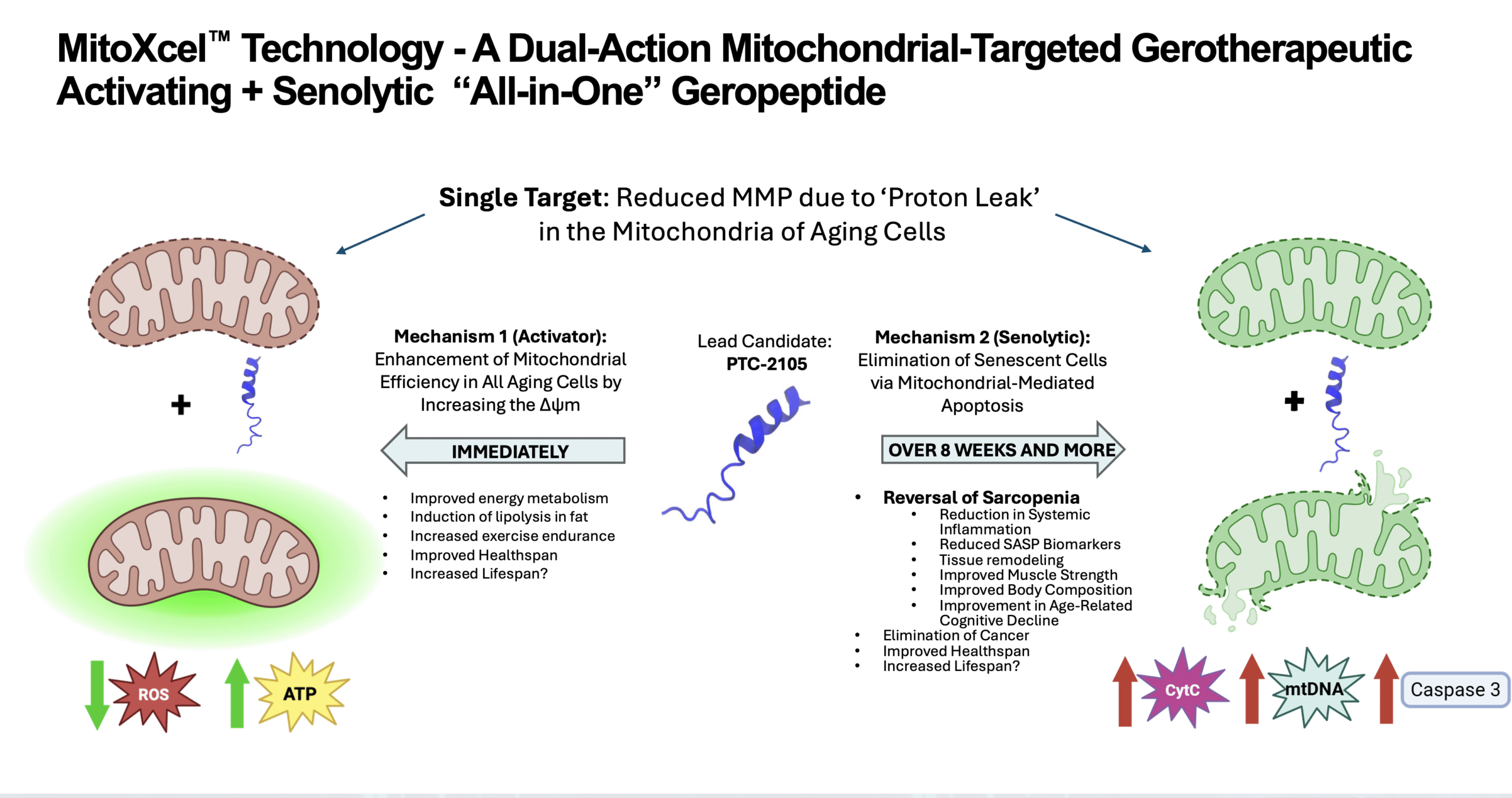
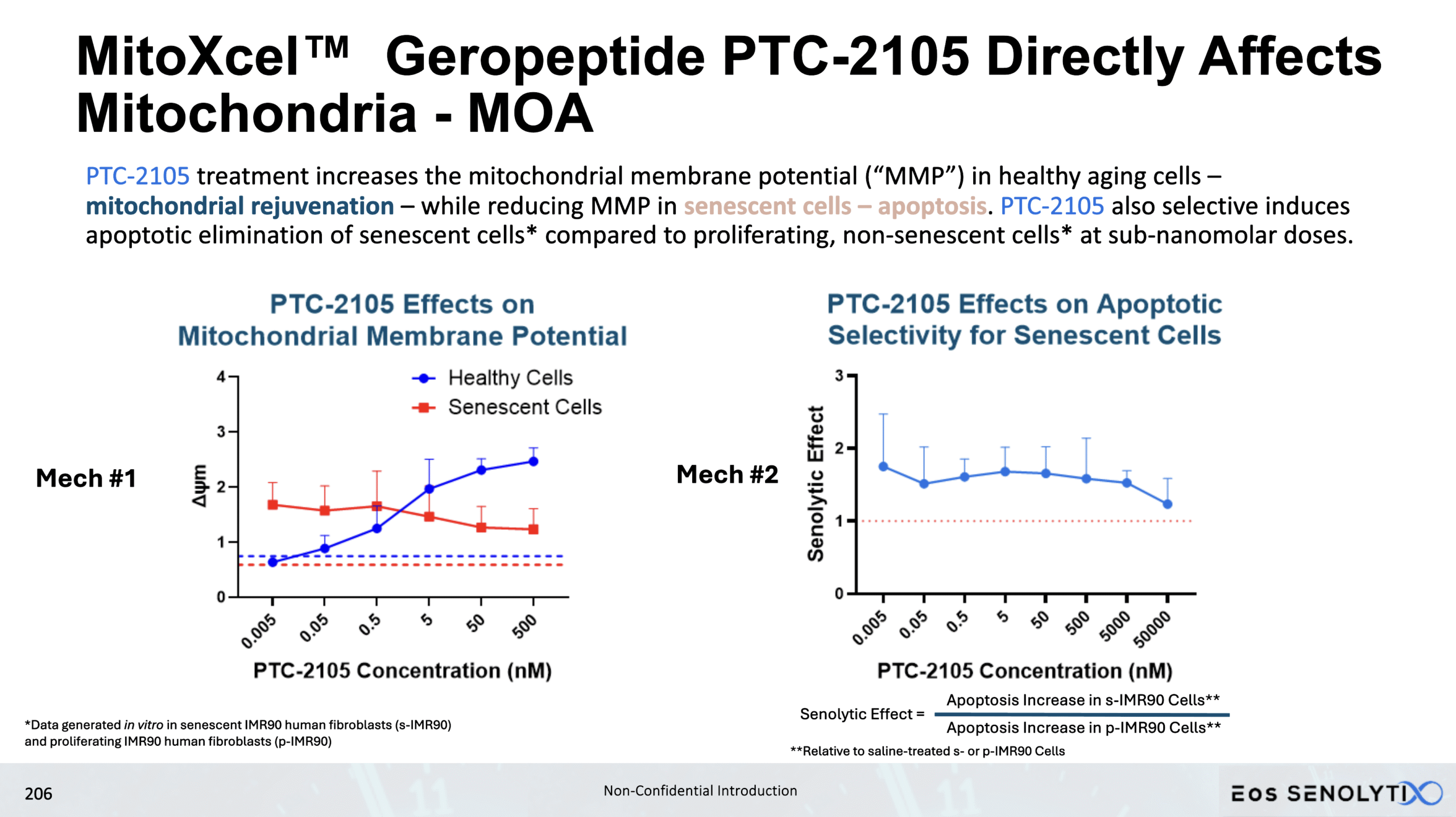
Enhancement of Mitochondrial Efficiency in Aging Cells by Increasing the Δψm (Mechanism 1)

  • Enhance the efficiency of the mitochondria, increasing the proportion of potential energy in the MMP (ΔΨm) that is converted to ATP.
  • Unlike Mechanism 2, which takes 8 weeks or greater to observe, Mechanism 1 can be observed, for example in IMR90 fibroblasts in vitro, within 24 hours of exposure to our geropeptides, using a Seahorse Analysis to evaluate mitochondrial function, which shows a decrease in proton leak, an increase in ATP production and an increase in coupling efficiency.

Elimination of Senescent Cells via Mitochondrial-Mediated Apoptosis (Mechanism 2)

  • Senescent cells have less capacity to maintain Mitochondrial Membrane Potential (MMP) compared with normal dividing cells.
  • Exposes them to prolonged mitochondrial transition pore opening.
  • Co-localization staining studies of Cytochrome C in mitochondria (TOM20) in proliferating and senescent IMR90 cells in vitro indicate:
    • Dose-dependent decrease in co-localization in senescent IMR90 cells treated with PTC-2105, but only at much higher concentrations in proliferating IMR90 cells
    • This indicates an increased release of Cytochrome C into the cytosol, which initiates apoptosis via the Caspase pathway in senescent cells treated with PTC-2105
  • Our data suggests that this takes at least 8 weeks or greater of therapy to observe in vivo.

Our candidate MitoXcel™ geropeptides address both the inflammaging driving aging due to senescent cells and the reduction in mitochondrial efficiency in cells as we age, via a single, age-specific target, the ΔΨm.


By attacking aging via two pathways, both via a single age-specific target, the lower MMP that develops in the mitochondria as we, and all living organisms, age, MitoXcel™ Technology addresses the fundamental “cause” of  aging.

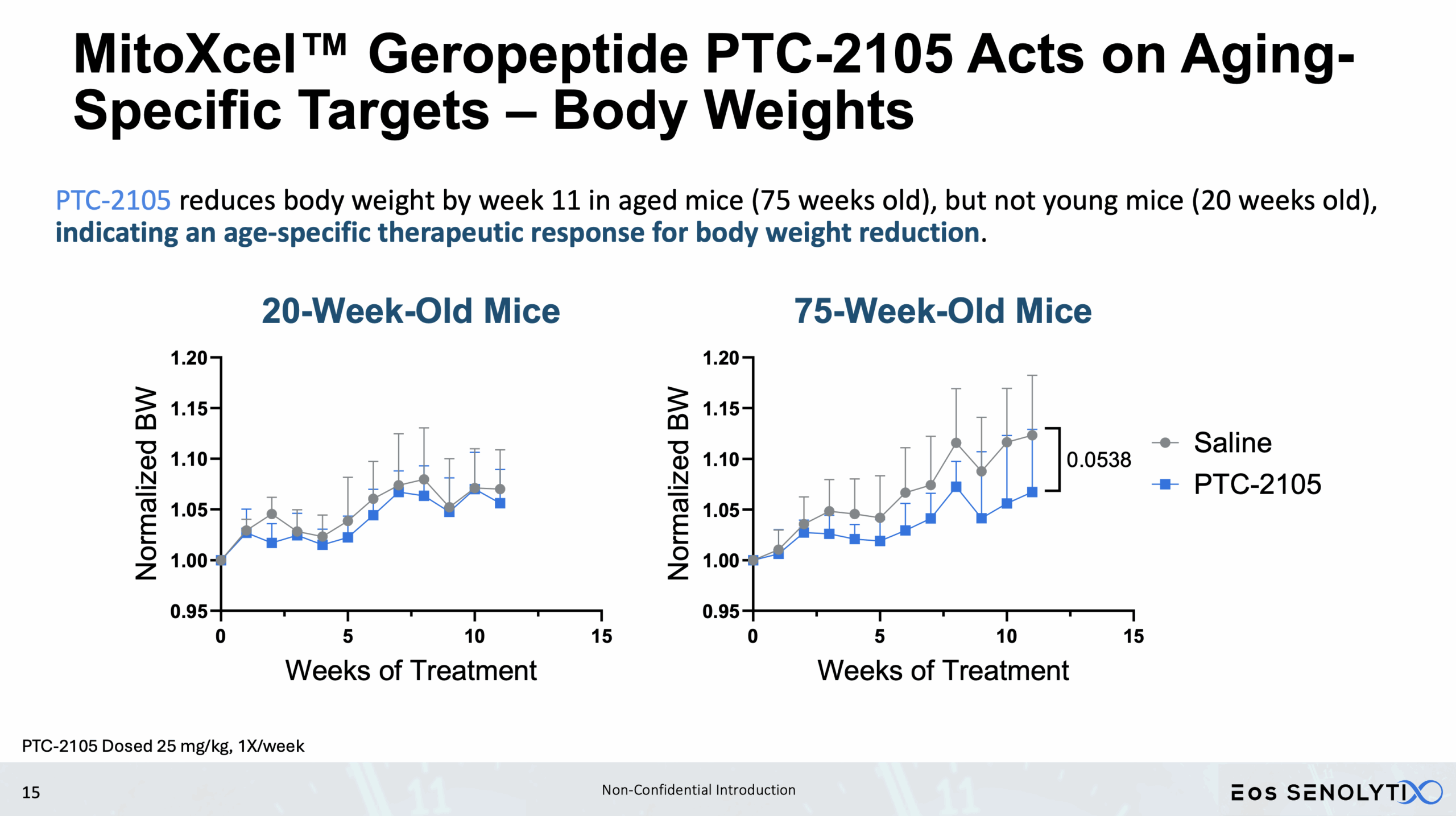
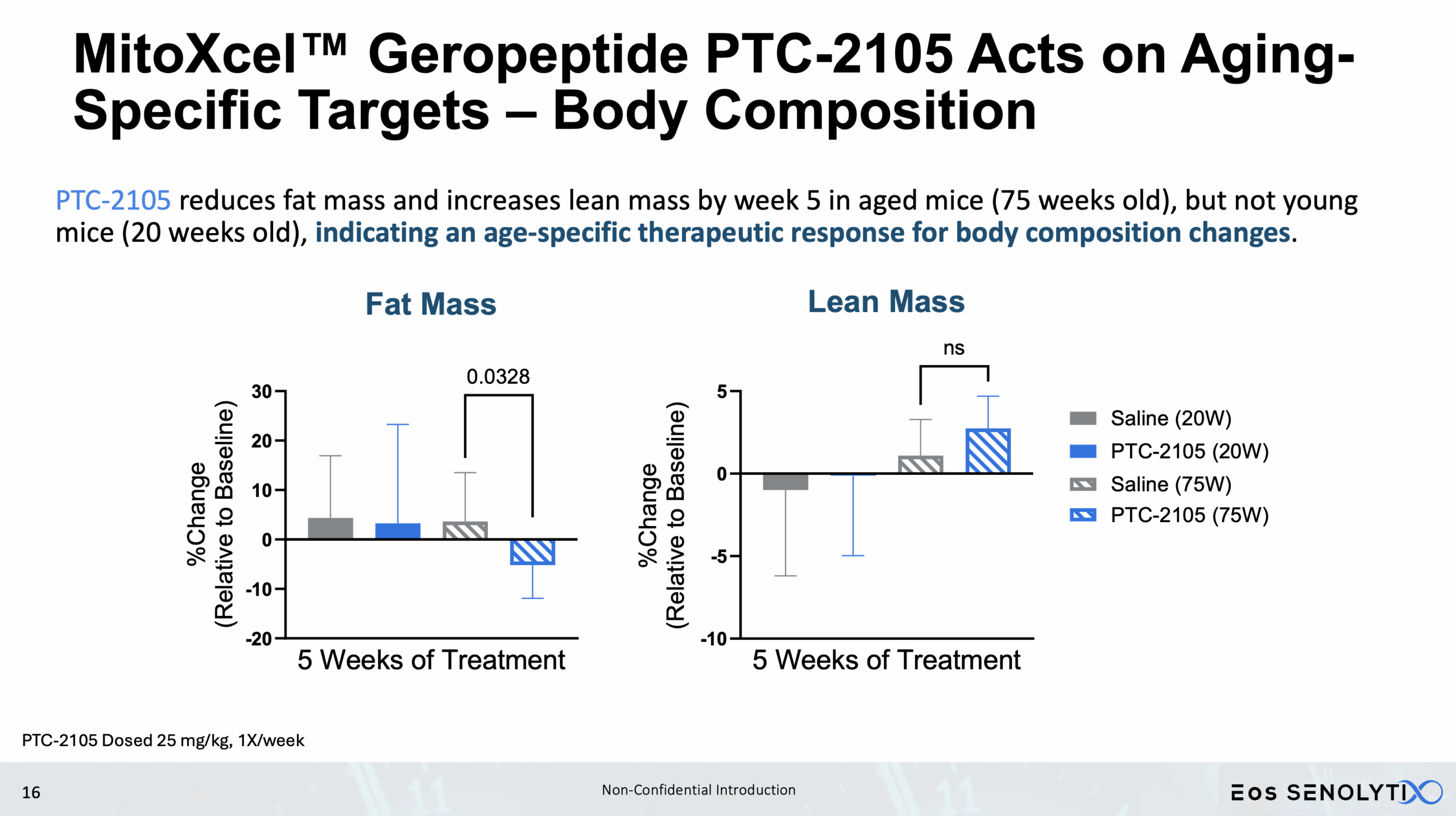
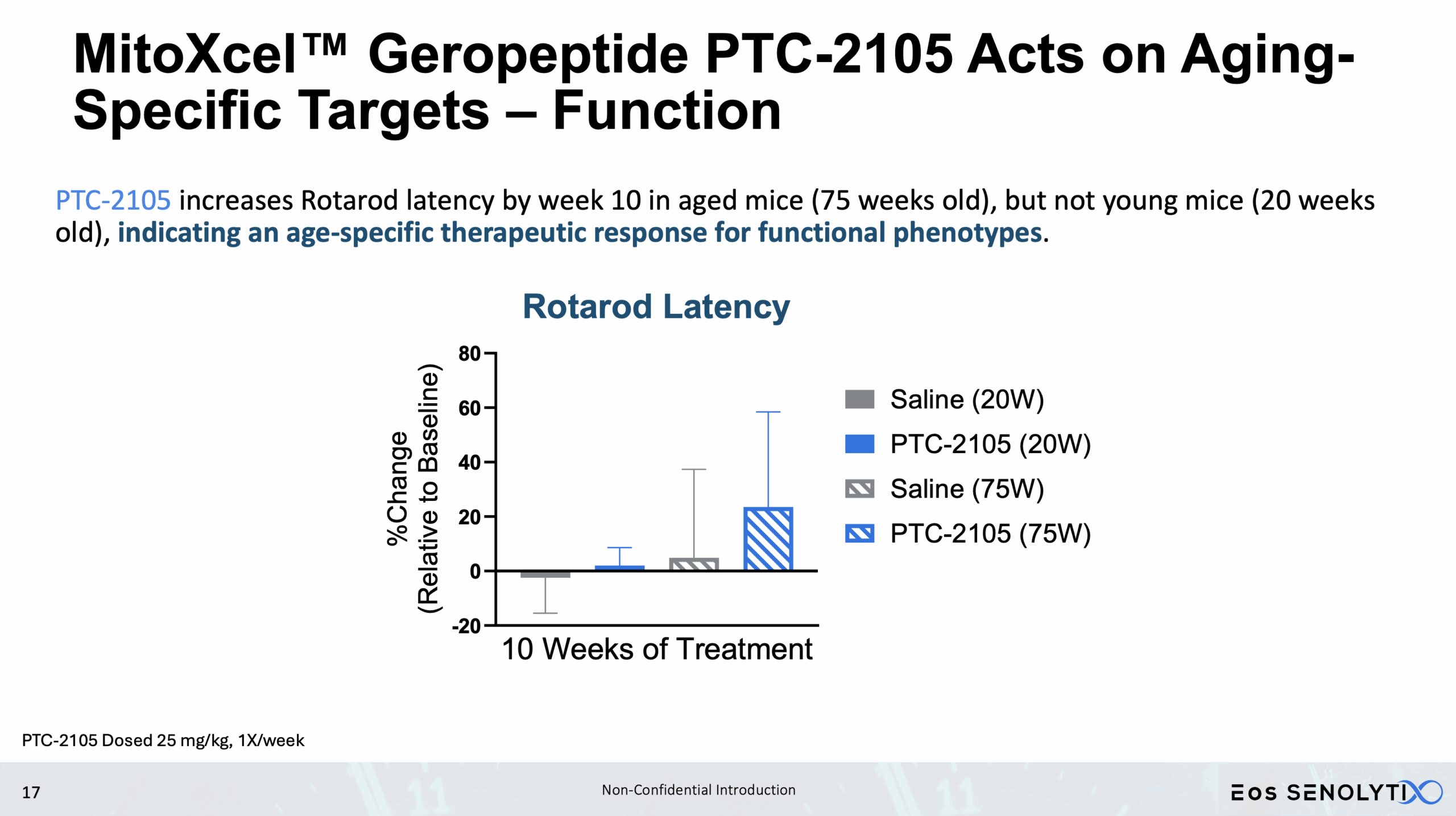
PTC-2105 was evaluated in young mice (20 weeks; “20W”) and in naturally aged old mice (75 weeks; “75W”) for effects on body weight, body composition and exercise endurance.


  • PTC-2105 reduces body weight by week 10 in aged mice (75 weeks old), but not young mice (20 weeks old), indicating an age-specific therapeutic response for body weight reduction.


  • PTC-2105 reduces fat mass and increases lean mass by week 5 in aged mice (75 weeks old), but not young mice (20 weeks old), indicating an age-specific therapeutic response for body composition changes.


  • PTC-2105 increases Rotarod latency by week 10 in aged mice (75 weeks old), but not young mice (20 weeks old), indicating an age-specific therapeutic response for functional phenotypes.

PTC-2105 selectively eliminates senescent cells in all organs of the body, including the brain, after 8 weeks or more of dosing

  • PTC-2105 (SC injections 3.3 mg/kg, 3X/week, n = 5 per cohort) was dosed in 75-week-old naturally aged mice for 8 weeks

  • Senescent cell numbers are reduced in almost all organs and tissue types as analyzed by multiple senescent cell markers (β-gal, uPAR and p16)

    • SA-β-Gal: Senescence-associated B-galactosidase, a well-established biomarker of cellular senescence

    • uPAR: Urokinase-type plasminogen activator receptor, a cell surface marker associated with senescence

    • p16: p16INK4a, a regulator of the cell cycle and a well-established biomarker of cellular senescence

PTC-2105 Leads to Muscle and Fat Remodeling Towards a Younger Phenotype

  • Naturally aged 75-week-old mice treated with PTC-2105 (PTC-2105 was dosed SC injections 3.3 mg/kg, 3X/week, n = 5 per cohort) for 16 weeks showed a reduction in intermocyte space (muscle tissue rejuvenation) and a decrease in adipocyte area (fat tissue reduction)

  • A reduction in intermyocyte space is indicative of muscle tissue regeneration. An increase in myofibril count was also observed, indicative of muscle tissue regeneration (data not shown)

  • Reduction of adipocyte area signifies loss of fat mass and white adipose tissue at a cellular level.

Loss of lean body and bone mass has been the Achille’s Heel of current GLP-1/GIP agonists

  • Naturally aged 75-week-old mice treated with PTC-2105 (SC injection, 3.3 mg/kg, 3X/week, n = 5 per cohort) for 15 weeks and subjected to DEXA scan showed an increase in lean mass percentage and a reduction in fat mass percentage, relative to saline-treated mice, restoring body composition and muscle mass closer to that of young mice (12-week-old)

  • The increase in lean mass percentage was confirmed by weighing the gastrocnemius muscles bilaterally at end of study necropy

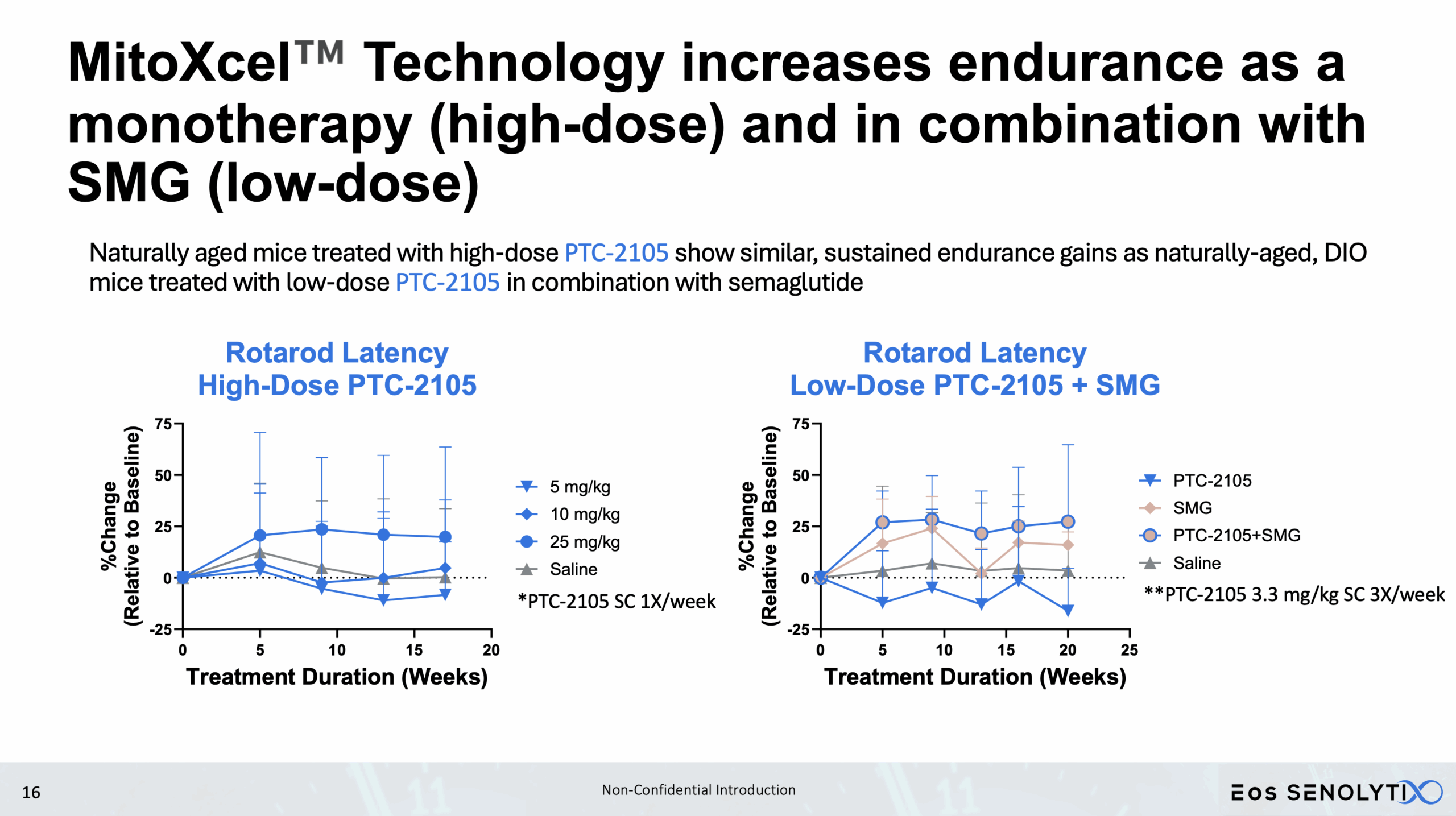
Lead clinical candidate PTC-2105, both as monotherapy and in combination with semaglutide, yielded sustained exercise endurance gains compared to saline-treated controls when measured on the Rotarod via Mechanism 1,in as little as 5 weeks and earlier, before Mechanism 2-induced elimination of senescent cells.

  • Eos’s MitoXcel geropeptides work synergistically with semaglutide (“SMG”), acting at the Inner Mitochondrial Membrane to increase the MMP (Δψm) that decreases with age in all living organisms.

  • In addition to its activity against GLP-1, SMG also acts at the Inner Mitochondrial Membrane to slightly increase the MMP.

  • Dramatic improvements in exercise capacity were observed, including reversal of the well-known decline seen with semaglutide treatment alone, in animals treated with PTC-2105 monotherapy at high dose (“HD”) and treated with PTC-2105 low dose in combination with SMG.

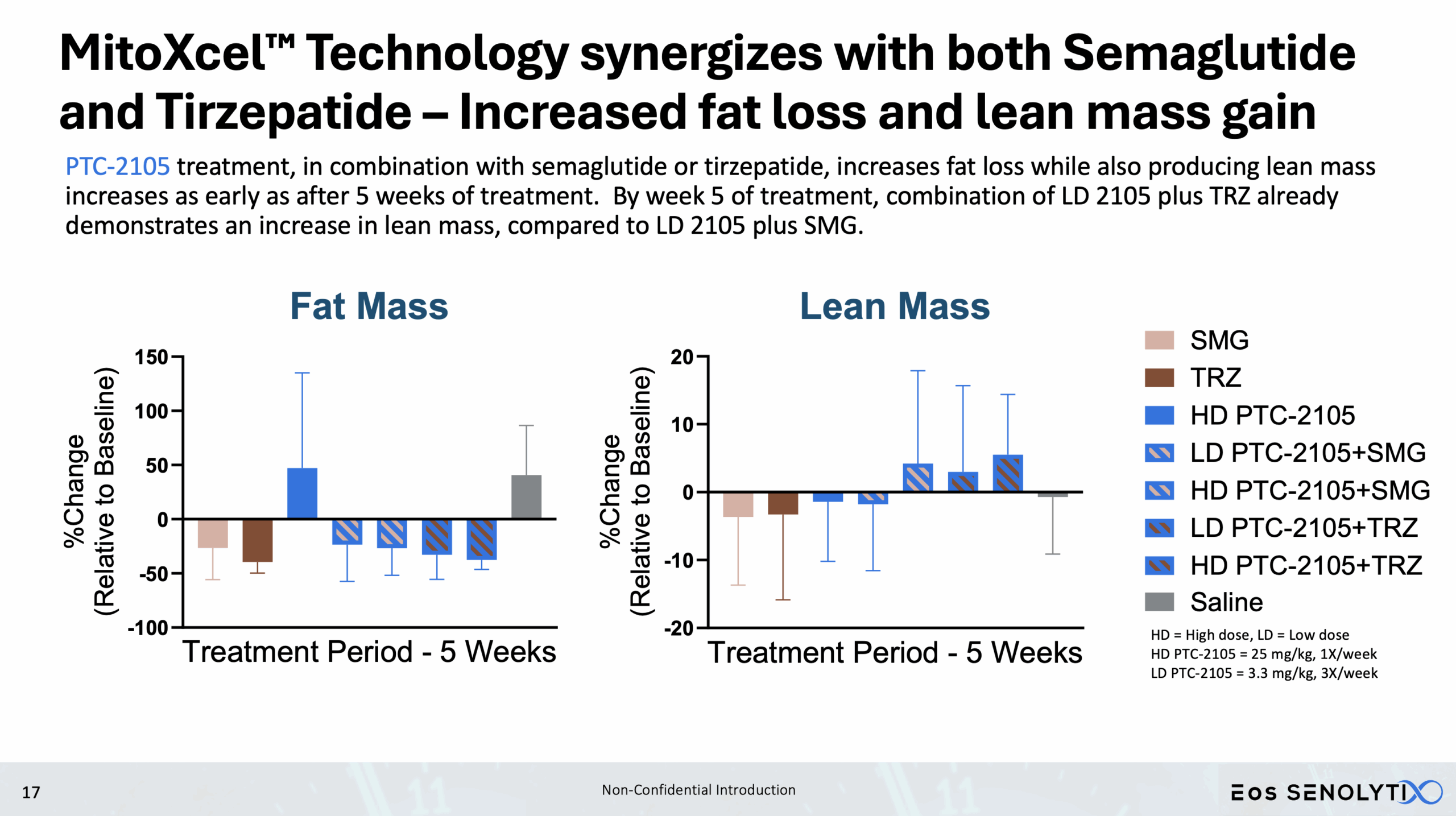
Both low and high dose PTC-2105, as monotherapy and  in combination with SMG and TRZ, increases the body weight and % fat mass loss observed with GLP-1 treatment alone, and reverses the loss of lean body mass, flipping it into a gain of lean body mass.

  • PTC-2105 treatment, as monotherapy and in combination with semaglutide or tirzepatide, increases fat loss while also producing lean mass increases as early as after 5 weeks of treatment.

  • By week 5 of treatment, combination of LD 2105 plus TRZ already demonstrates an increase in lean mass, compared to LD 2105 plus SMG.

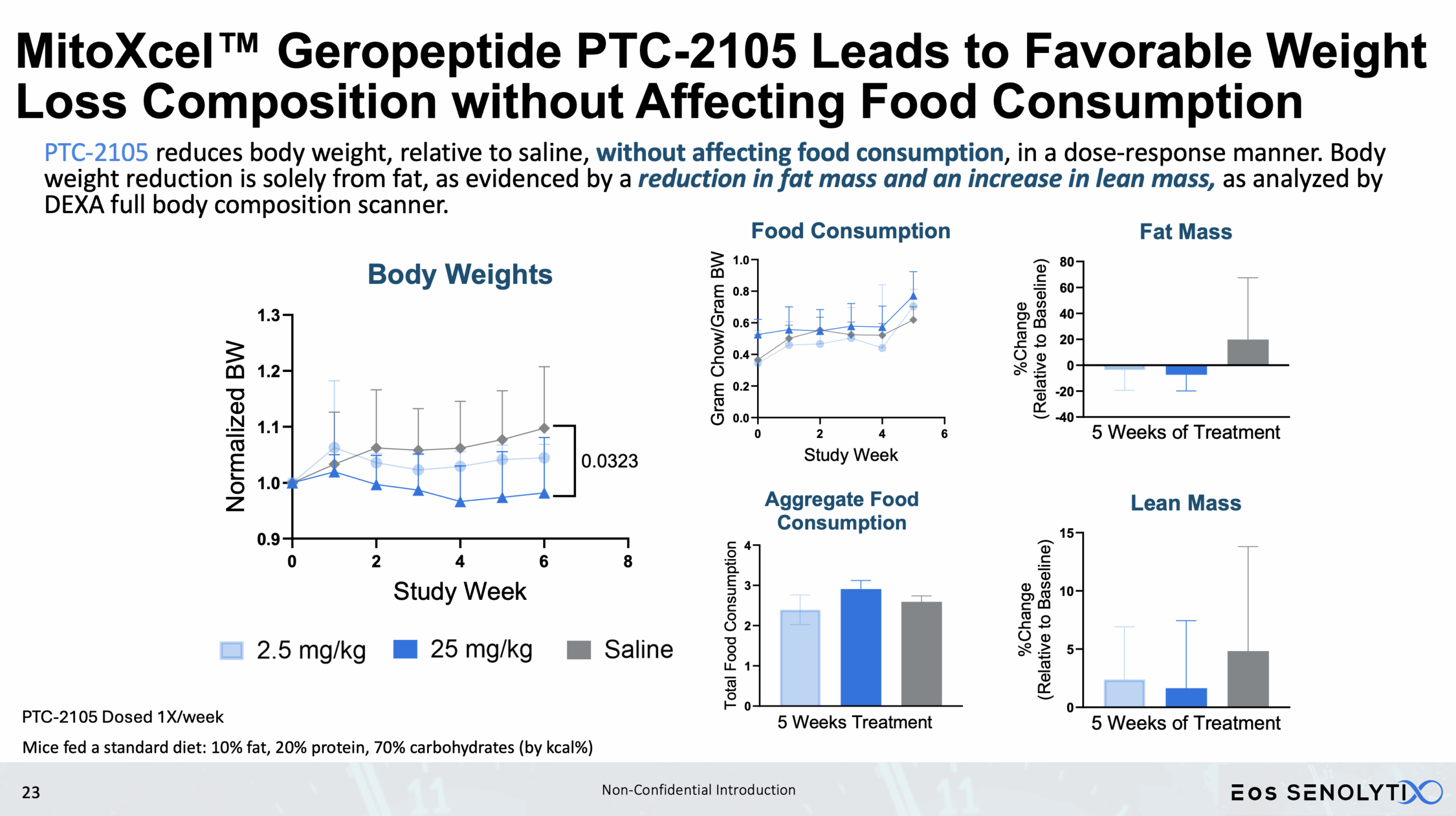
PTC-2105 reduces body weight, relative to saline, without affecting food consumption, in a dose-response manner. 

  • Body weight reduction is solely from fat, as evidenced by a reduction in fat mass and an increase in lean mass, as analyzed by DEXA full body composition scanner.

PTC-2105 reduces body weight, relative to saline, without affecting food consumption, in a dose-response manner. 

  • Body weight reduction is solely from fat, as evidenced by a reduction in fat mass and an increase in lean mass, as analyzed by DEXA full body composition scanner.

PTC-2105, both alone and in combination with GLP-1s, leads to a greater fat loss than any GLP-1 on the market or in clinical development. Furthermore, it is the only therapeutic that accompanies significant loss of fat with significant gain of lean mass.


  • PTC-2105 monotherapy (SC injection, 25 mg/kg, 3X/week) treatment of 75-week-old naturally aged DIO-fed mice for 35 weeks led to a 33% loss of fat accompanied by a 7.1% gain of lean mass, for an overall weight loss of 25.9%

  • Treatment with PTC-2105 (SC injection 25 mg/kg, 3X/week) in combination with the GLP-1, semaglutide (SMG), (SC injections, PTC-2105  50 mg/kg, 1X/week + SMG 3X/week, 0.2 mg/kg, increased dose to 0.4 mg/kg after week 5) in 75-week-old naturally aged DIO-fed mice for 35 weeks led to a 66% loss of fat accompanied by a 7.4% gain of lean mass, for an overall weight loss of 58.6%

  • These results are best-in-class with respect to both overall weight loss and the quality of the resulting body composition as measured by DEXA scans in PTC-2105-treated animals compared to reported results for GLP-1s

  • PTC-2105 can be used alone but can also be used in combination with GLP-1s to “rescue” their negative effects on lean body mass