Our MitoXcel™ Geropeptide Lead Clinical Candidates PTC-2105 and PTC-2107, Are:

  • 18- to 30-amino acids in length
  • Cross the blood brain barrier
  • Administered via SC injection over an 8-16 week, and longer, course of treatment in pre-clinical models

Key Findings:

  • Selective Elimination of Senescent Cells: In all organs of the body, including the brain, in a dose dependent manner
  • Reduced Systemic Inflammation: Significant decrease in SASP biomarkers
  • Tissue Remodelling to a Healthier Phenotype in Muscle and Fat: Improved body composition including a reduction in fat but an increase in lean body and bone mass
  • Improved Physical Health: Enhanced metabolism, muscle strength, and exercise endurance.
  • Cognitive Benefits: Improved memory and motor coordination.
  • Dose Response Curve Demonstrated
  • Safety Profile: Without demonstrable evidence of toxicity at >40X the efficacious dose after more than 20 weeks of continuous dosing. Normal liver enzyme levels and no adverse effects observed.

Mechanism of Action: Selectively Target the Inner Mitochondrial Membrane Potential (Δψm) in the Mitochondria of Senescent and Non-Senescent Cells

  • Completely novel, aging-specific mechanism of action
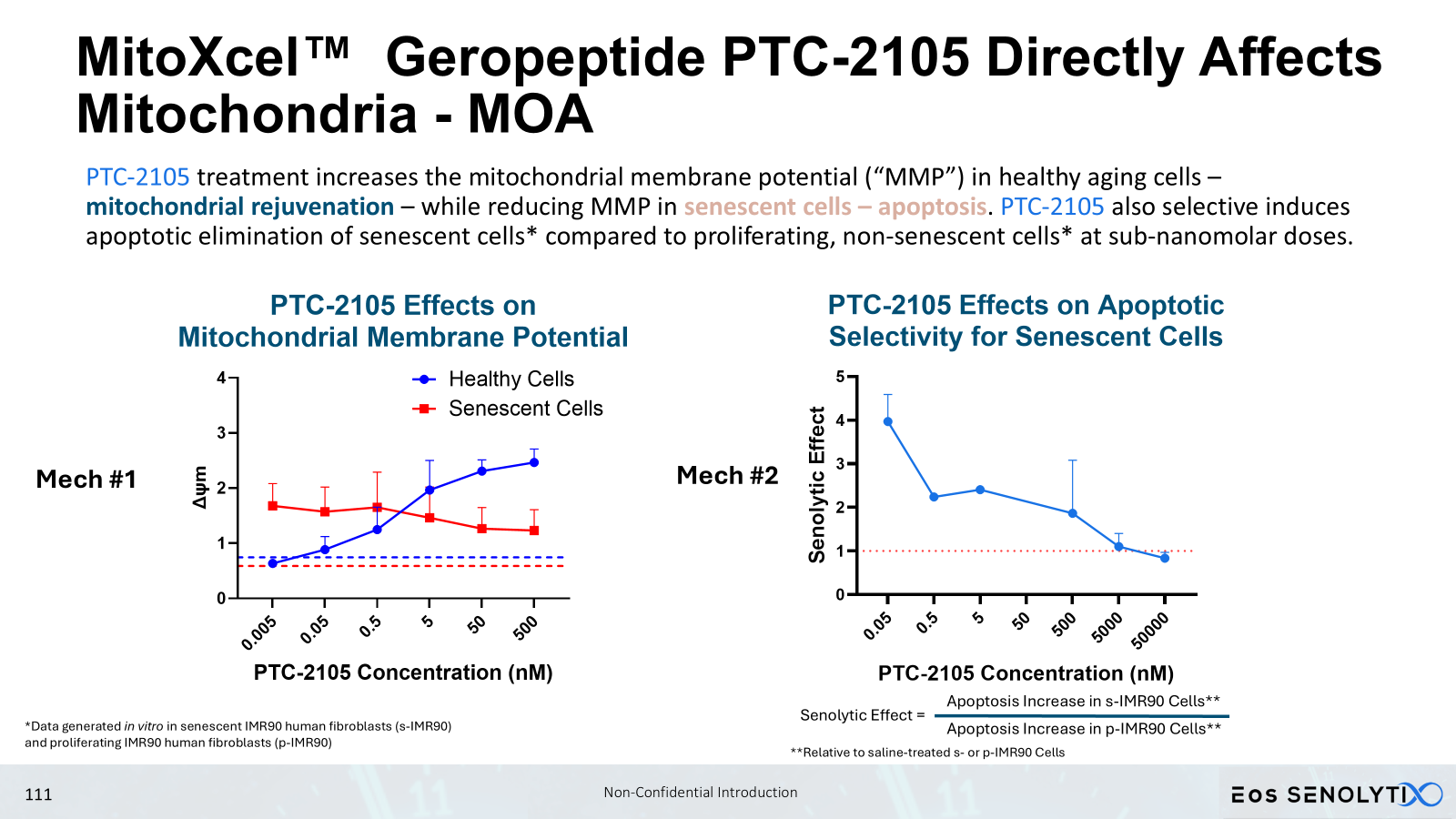
  • Two key mechanisms, both targeting the Inner Mitochondrial Membrane Potential (Δψm)
  • Binds cardiolipin, as well as multiple key proteins involved in the Electron Transport Chain (“ETC”), especially those in Complex III and IV
    • Cardiolipin is crucial for creating and stabilizing the mitochondrial cristae membranes and maintaining IMM architecture, enabling tight packing of respiratory chain complexes.
    • Cardiolipin directly binds to and stabilizes the entire mitochondrial respiratory supercomplex (Complexes I–III–IV megacomplex), functioning to maintain ETC assembly and structural integrity, acting as a molecular glue for oxidative phosphorylation.
    • Under stress, cardiolipin undergoes peroxidation and translocation from the IMM to the outer membrane, triggering Cytochrome C detachment from cardiolipin, the first step of apoptosis.
  • This single target leads to two distinct yet equally important mechanisms of action, Mechanism 1 and Mechanism 2
  • Validated in three species: human (in vitro), mouse (in vivo) and C. elegans (in vivo)
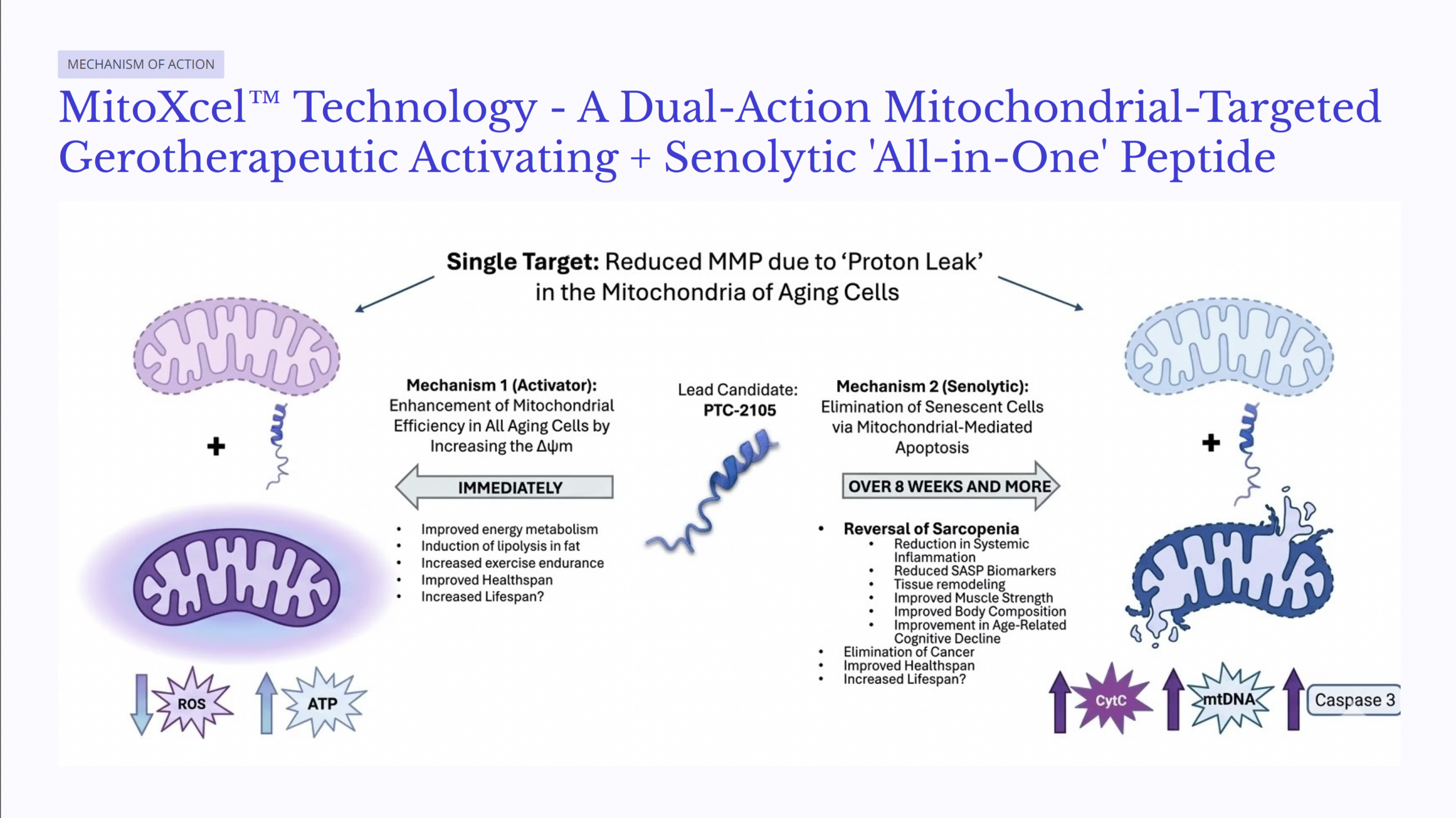
Enhancement of Mitochondrial Efficiency in Aging Cells (Mechanism 1)

  • Enhance the efficiency of the mitochondria, increasing the proportion of potential energy in the MMP (ΔΨm) that is converted to ATP.
  • Unlike Mechanism 2, which takes 8 weeks or greater to observe, Mechanism 1 can be observed, for example in IMR90 fibroblasts in vitro, within 24 hours of exposure to our MitoXcel™ geropeptides, using a Seahorse Analysis to evaluate mitochondrial function, which shows a decrease in proton leak, an increase in ATP production and an increase in coupling efficiency.

Elimination of Senescent Cells via Mitochondrial-Mediated Apoptosis (Mechanism 2)

  • Senescent cells have less capacity to maintain Mitochondrial Membrane Potential (MMP) compared with normal dividing cells.
  • Exposes them to prolonged mitochondrial transition pore opening.
  • Co-localization staining studies of Cytochrome C in mitochondria (TOM20) in proliferating and senescent IMR90 cells in vitro indicate a dose-dependent decrease in co-localization in senescent IMR90 cells treated with PTC-2105, initiating apoptosis via the Caspase pathway. Our data suggests at least 8 weeks of therapy to observe in vivo.

Our candidate MitoXcel™ geropeptides address both the inflammaging driving aging due to senescent cells and the reduction in mitochondrial efficiency in cells as we age, via a single, age-specific target, the ΔΨm. By attacking aging via two pathways, both via a single age-specific target — the lower MMP that develops in the mitochondria as we, and all living organisms, age — MitoXcel™ Technology addresses the fundamental “cause” of aging.

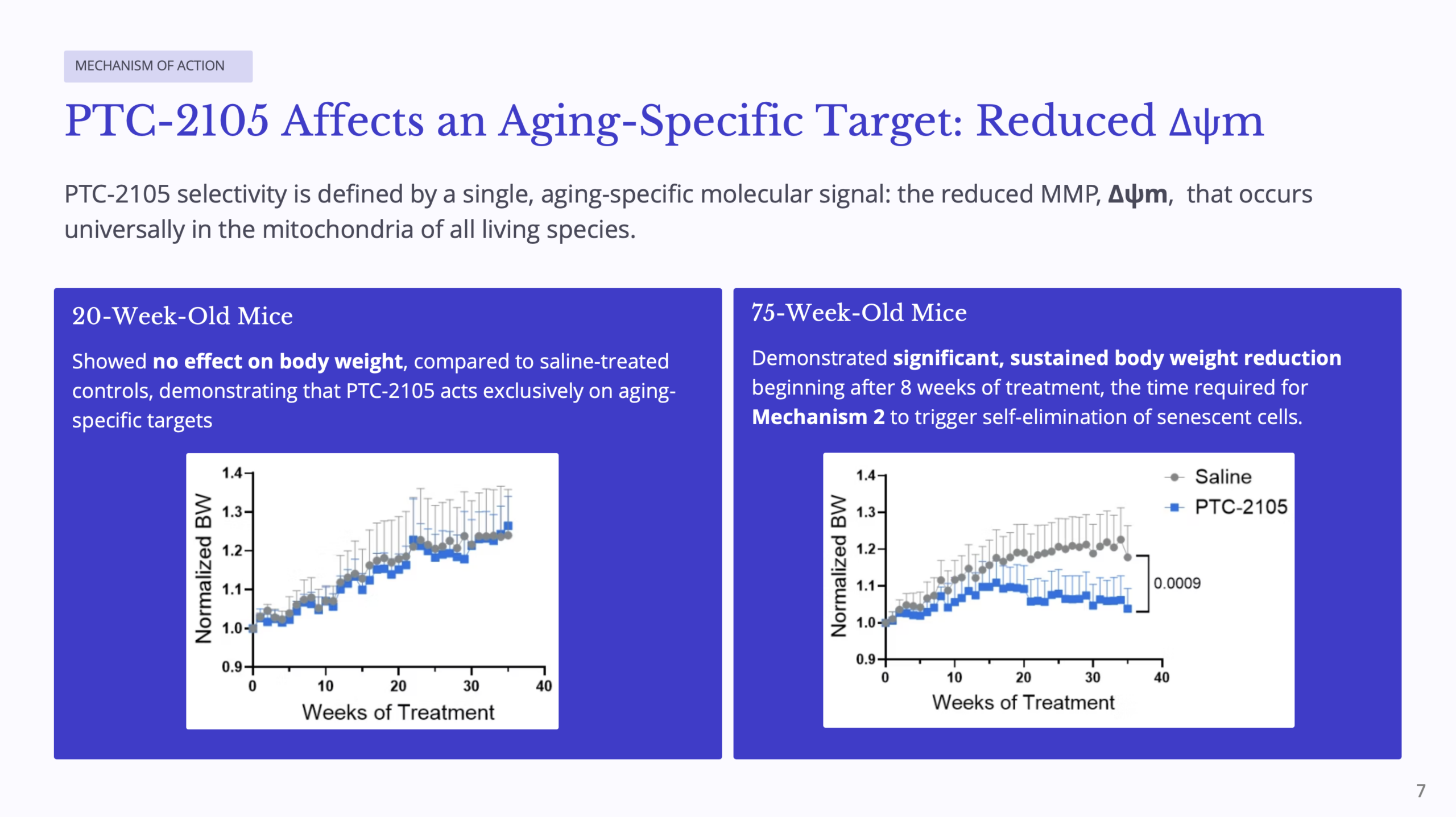
PTC-2105 was evaluated in young mice (20 weeks; “20W”) and in naturally aged old mice (75 weeks; “75W”) for effects on body weight.

  • PTC-2105 reduces body weight by week 10 in aged mice (75 weeks old), but not young mice (20 weeks old), indicating an age-specific therapeutic response for body weight reduction.

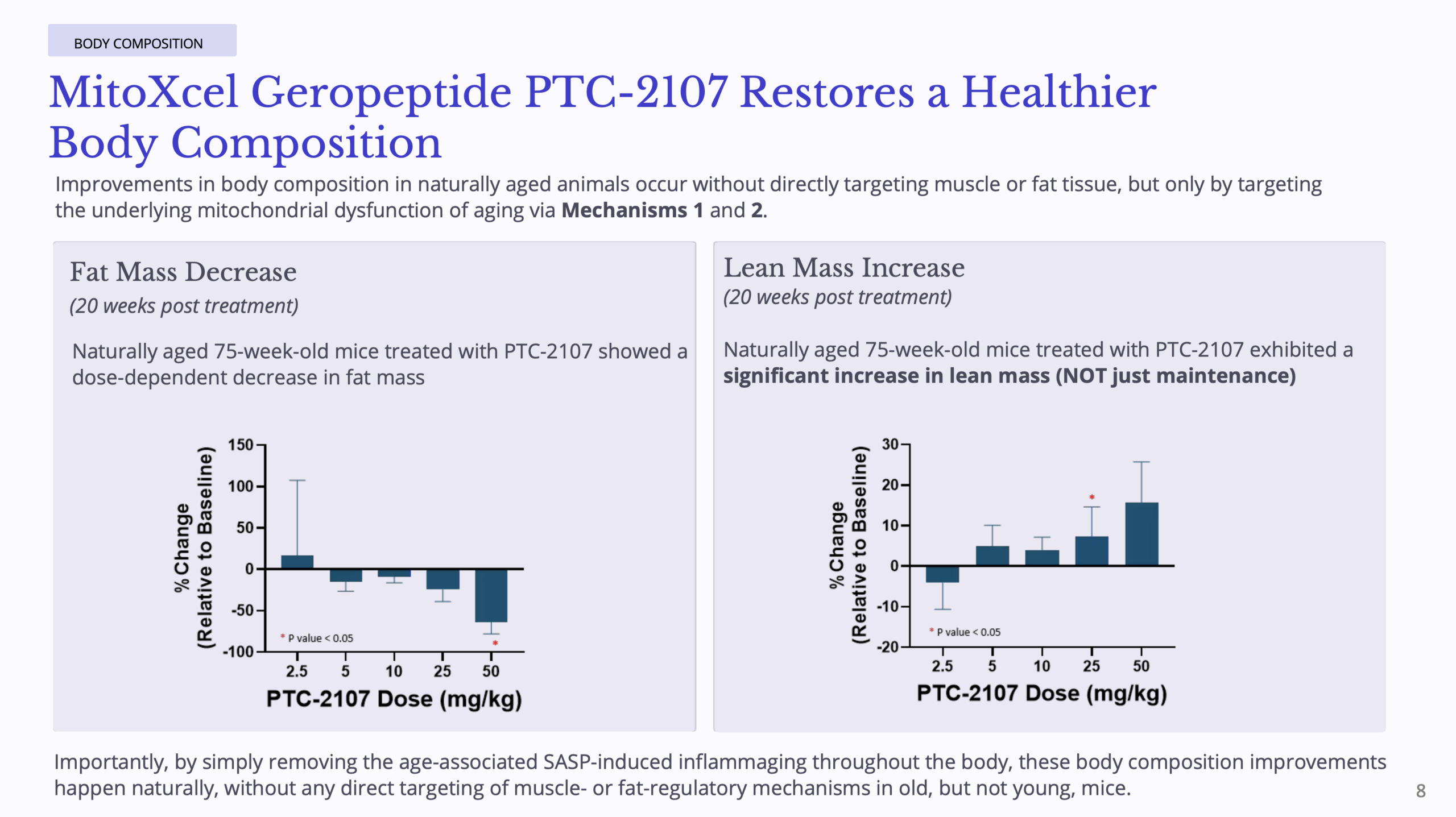
Improvements in body composition in naturally aged animals occur without directly targeting muscle or fat tissue, but only by targeting the underlying mitochondrial dysfunction of aging via Mechanisms 1 and 2.

  • Importantly, by simply removing the age-associated SASP-induced inflammaging throughout the body, these body composition improvements happen naturally, without any direct targeting of muscle- or fat-regulatory mechanisms in old, but not young, mice.

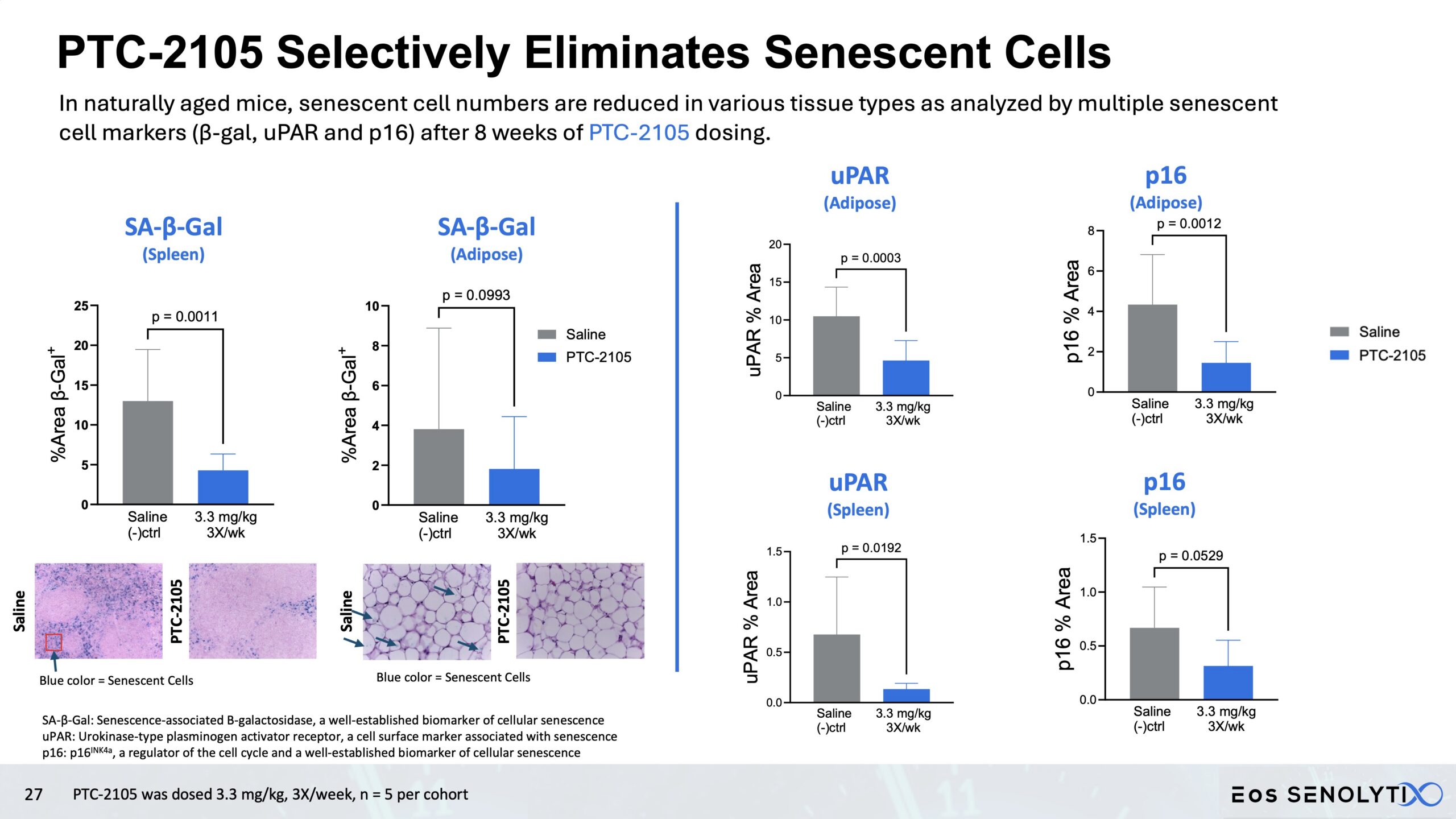
PTC-2105 selectively eliminates 60-80% of senescent cells in all organs of the body, including the brain, after 8 weeks or more of dosing.

  • PTC-2105 (SC injections 3.3 mg/kg, 3X/week, n = 5 per cohort) was dosed in 75-week-old naturally aged mice for 8 weeks
  • Senescent cell numbers are significantly and profoundly reduced in almost all organs and tissue types as analyzed by multiple senescent cell markers (β-gal, uPAR and p16)
    • p16: p16INK4a, a regulator of the cell cycle and a well-established biomarker of cellular senescence
    • SA-β-Gal: Senescence-associated B-galactosidase, a well-established biomarker of cellular senescence
    • uPAR: Urokinase-type plasminogen activator receptor, a cell surface marker associated with senescence
  • PTC-2105 is now given SC once weekly with similar results.
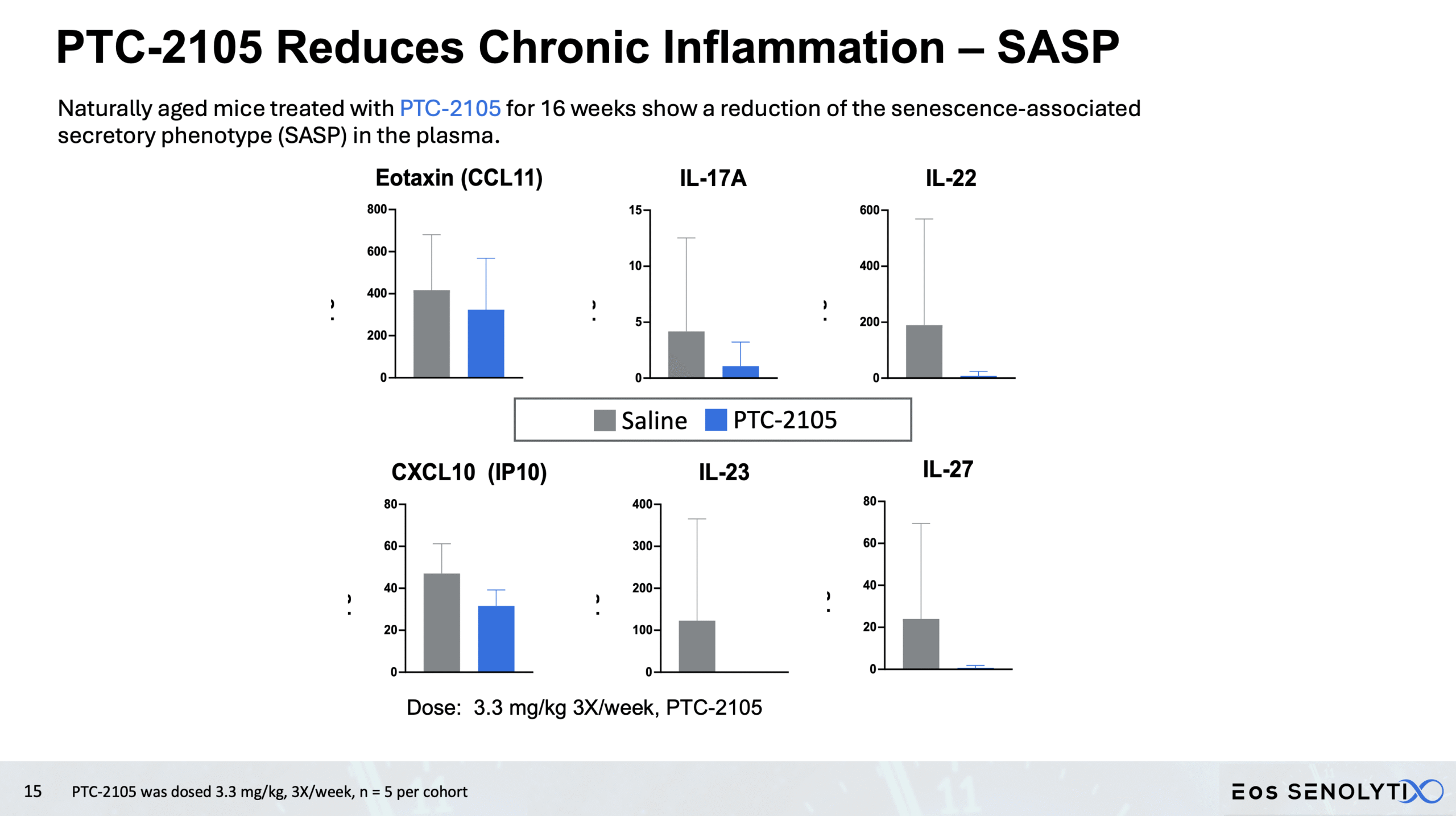
  • Naturally aged mice treated with PTC-2105 for 16 weeks show a reduction in circulating Senescence-Associated Secretory Phenotype (SASP) factors, key drivers of systemic inflammation and hallmarks of aging, in plasma.

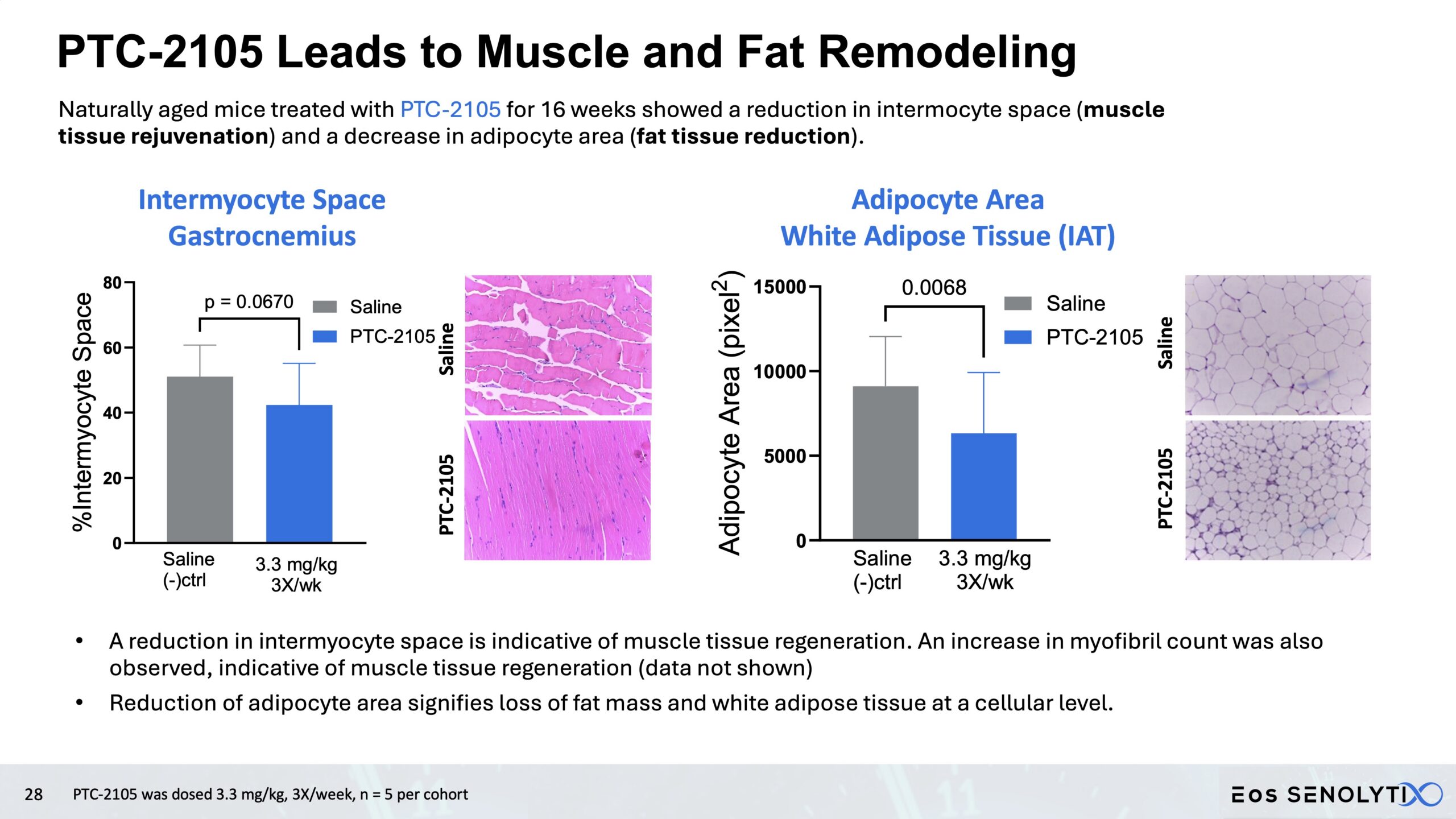
PTC-2105 Leads to Muscle and Fat Remodeling Towards a Younger Phenotype.

  • Naturally aged 75-week-old mice treated with PTC-2105 (dosed SC injections 3.3 mg/kg, 3X/week, n = 5 per cohort) for 16 weeks showed a reduction in intermyocyte space (muscle tissue rejuvenation) and a decrease in adipocyte area (fat tissue reduction)
  • A reduction in intermyocyte space is indicative of muscle tissue regeneration. An increase in myofibril count was also observed, indicative of muscle tissue regeneration (data not shown)
  • Reduction of adipocyte area signifies loss of fat mass and white adipose tissue at a cellular level.

Loss of lean body and bone mass has been the Achilles’ Heel of current GLP-1/GIP agonists.

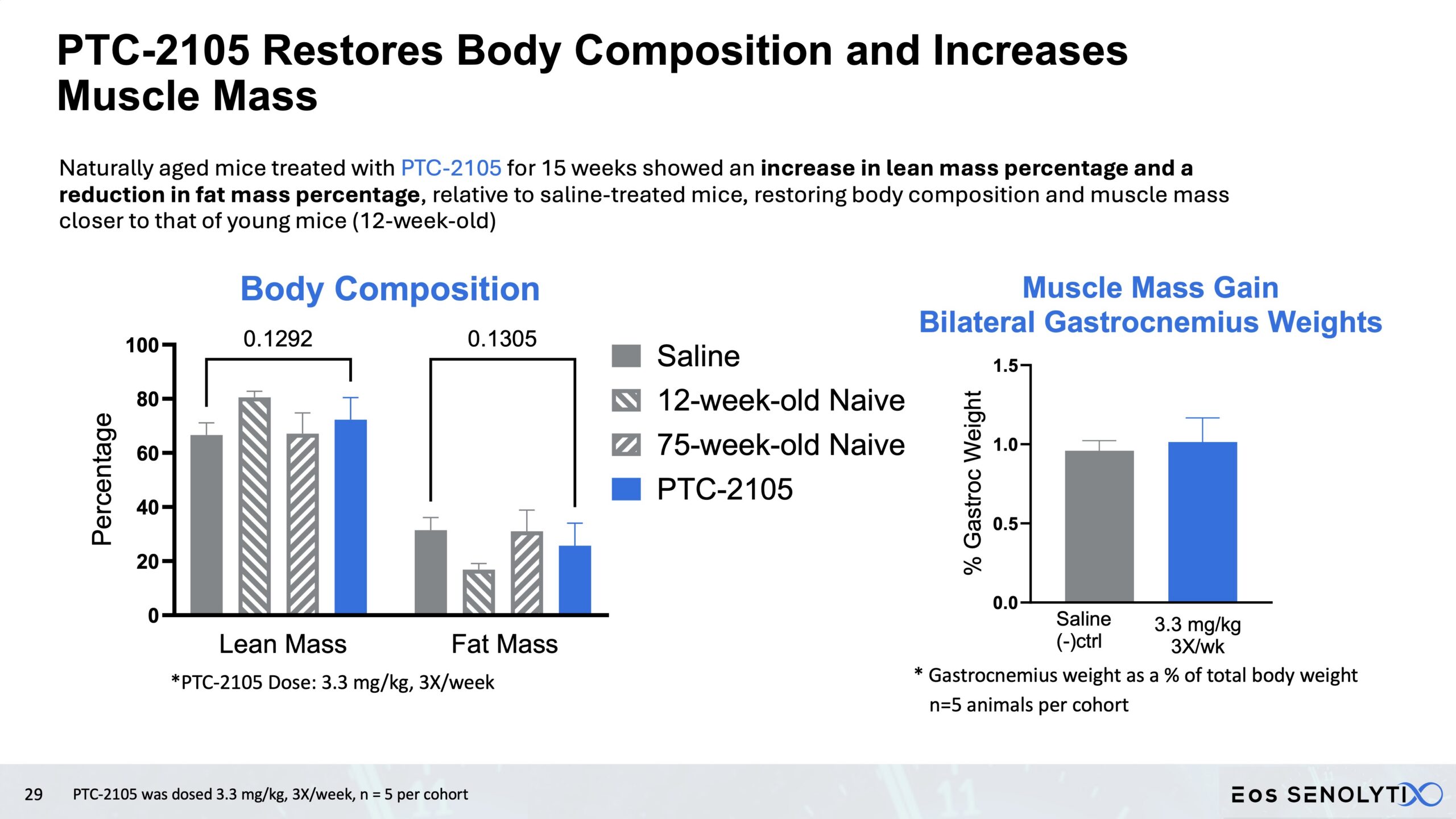
  • Naturally aged 75-week-old mice treated with PTC-2105 (SC injection, 3.3 mg/kg, 3X/week, n = 5 per cohort) for 15 weeks and subjected to DEXA scan showed an increase in lean mass percentage and a reduction in fat mass percentage, relative to saline-treated mice, restoring body composition and muscle mass closer to that of young mice (12-week-old)
  • The increase in lean mass percentage was confirmed by weighing the gastrocnemius muscles bilaterally at end of study necropsy
  • PTC-2105 is now given SC once weekly with similar results.

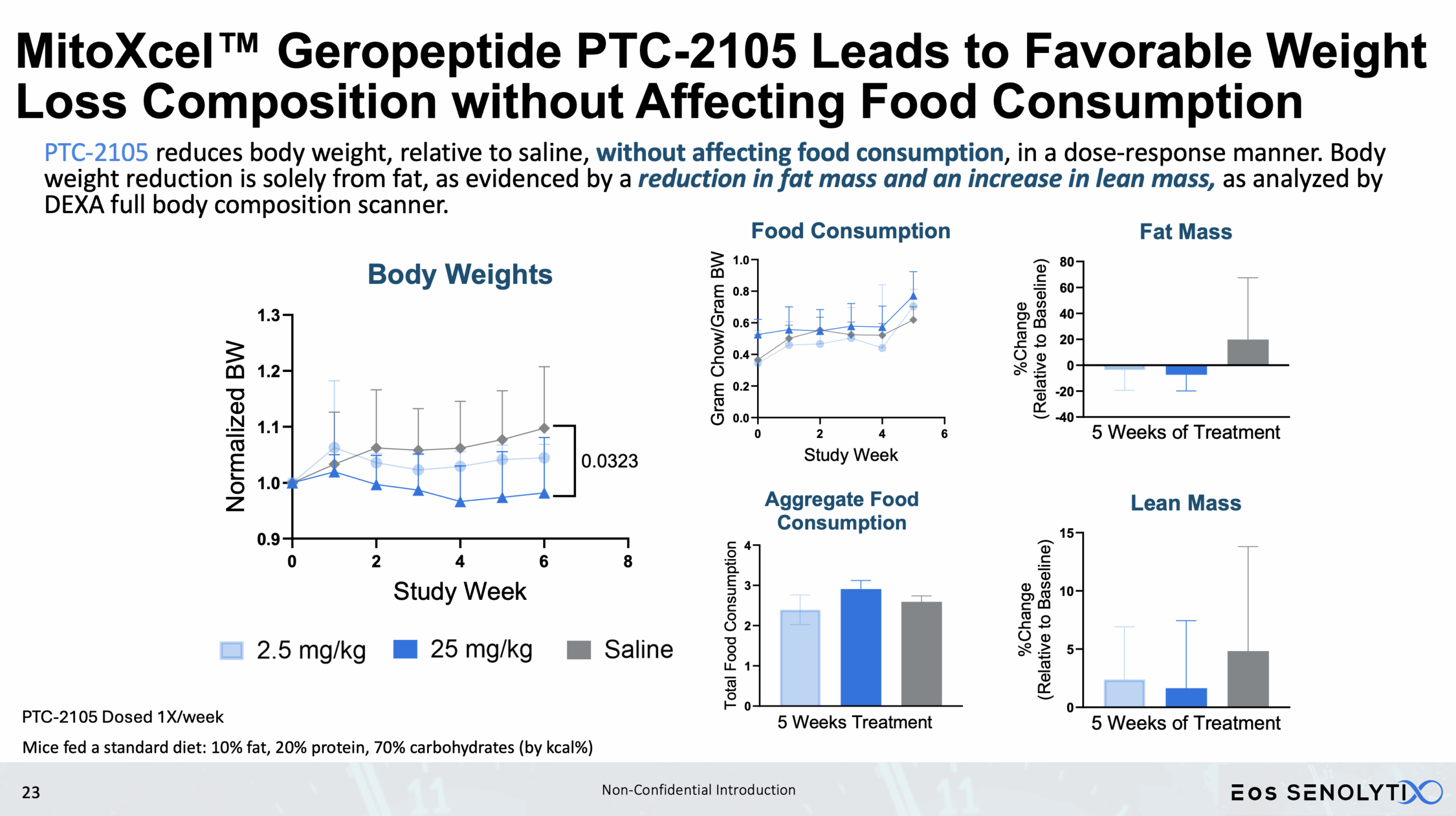
PTC-2105 reduces body weight, relative to saline, without affecting food consumption, in a dose-response manner.

  • Naturally aged 75-week-old mice were treated with PTC-2105 dosed 1X/week, 2.5 and 25 mg/kg, n = 8-10 per cohort for 8 weeks. Mice were fed a standard diet of 10% fat, 20% protein, 70% carbohydrates (by kcal%). Food was weighed weekly.
  • As expected, PTC-2105-treated mice lost body weight in a dose-dependent manner.
  • Aggregate food consumption showed no statistically significant decrease.
  • Body weight reduction is solely from fat, as evidenced by a reduction in fat mass and an increase in lean mass, as analyzed by DEXA full body composition scanner.

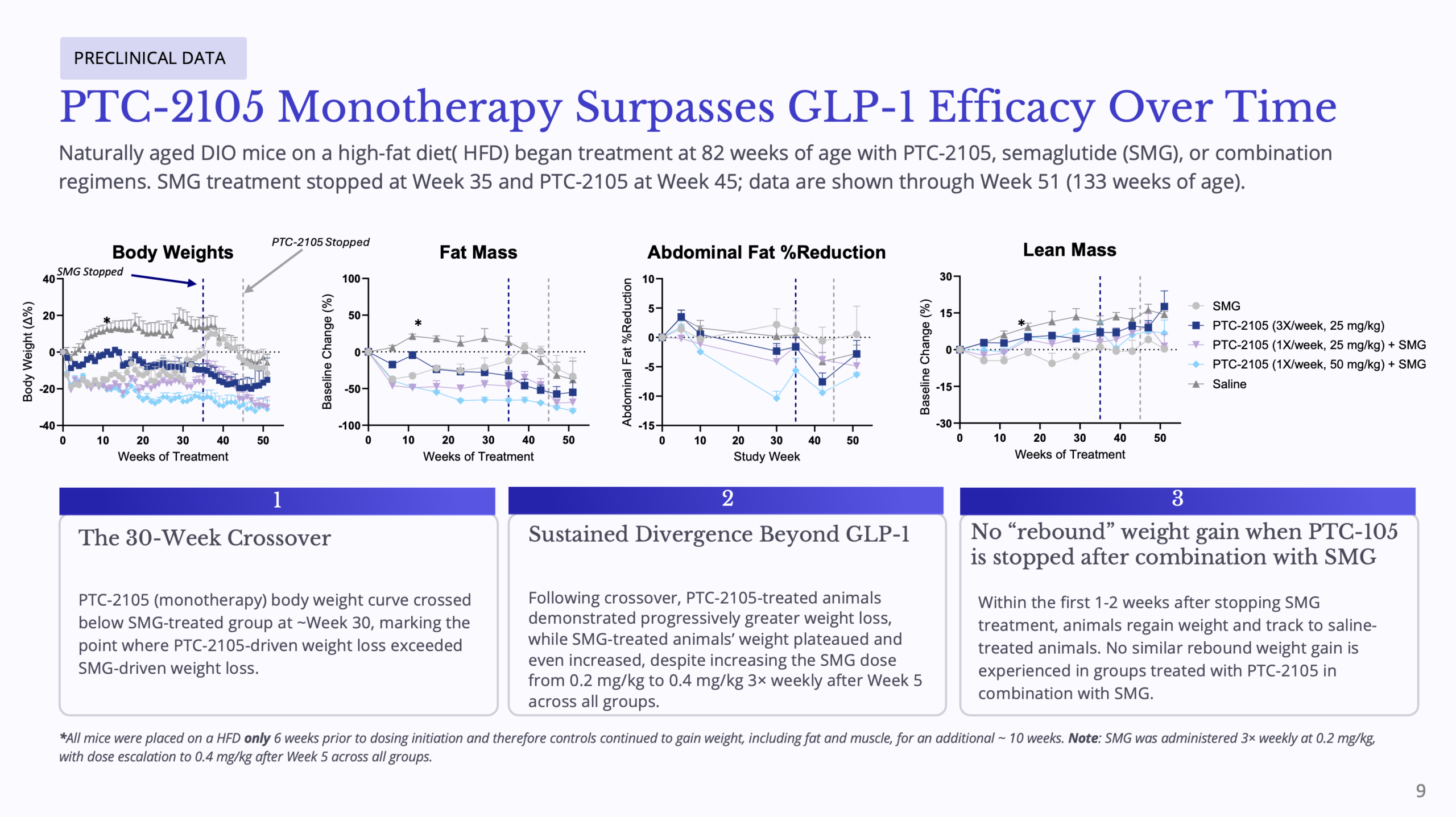
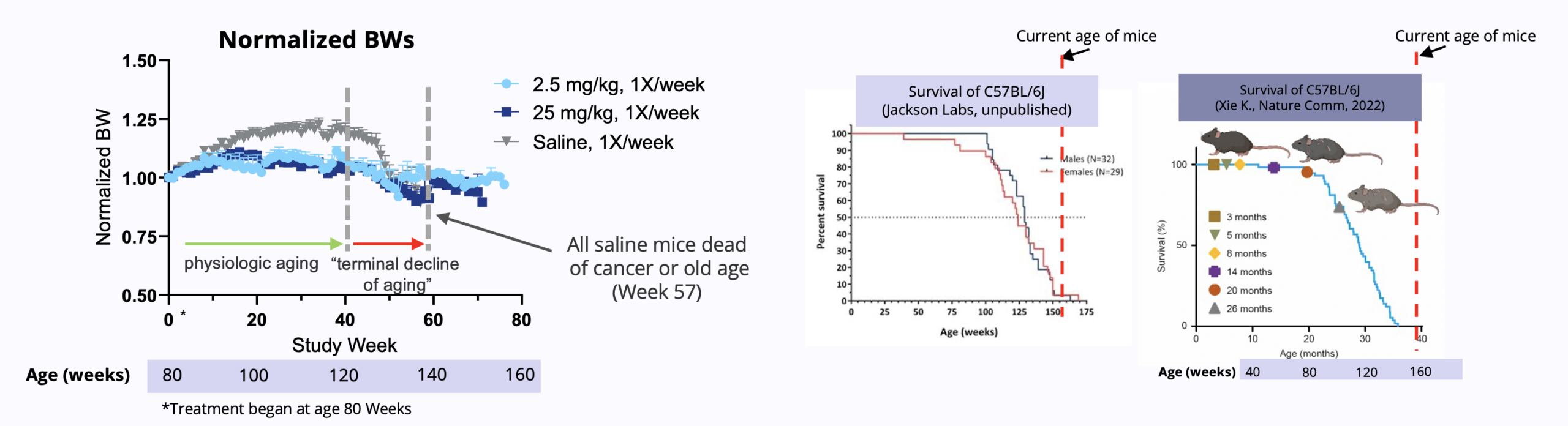
Naturally aged DIO mice on a high fat diet (HFD) began treatment at 82 weeks of age with PTC-2105, semaglutide (SMG), or combination regimens. SMG treatment was stopped at Week 35 and PTC-2105 at Week 45. Data are shown through Week 51 (133 weeks of age).

  • The 30-Week Crossover
    • PTC-2105 (monotherapy) body weight curve crossed below SMG-treated group at ~Week 30, marking the point where PTC-2105-driven weight loss exceeded SMG-driven weight loss.
  • Sustained Divergence Beyond GLP-1
    • Following crossover, PTC-2105-treated animals demonstrated progressively greater weight loss, while SMG-treated animals’ weight plateaued and even increased, despite increasing the SMG dose from 0.2 mg/kg to 0.4 mg/kg 3× weekly after Week 5 across all groups.
  • No Rebound Weight Gain When PTC-2105 is Stopped After Combination with SMG
    • Within the first 1-2 weeks after stopping SMG treatment, animals regain weight and track to saline-treated animals. No similar rebound weight gain is experienced in groups treated with PTC-2105 in combination with SMG.

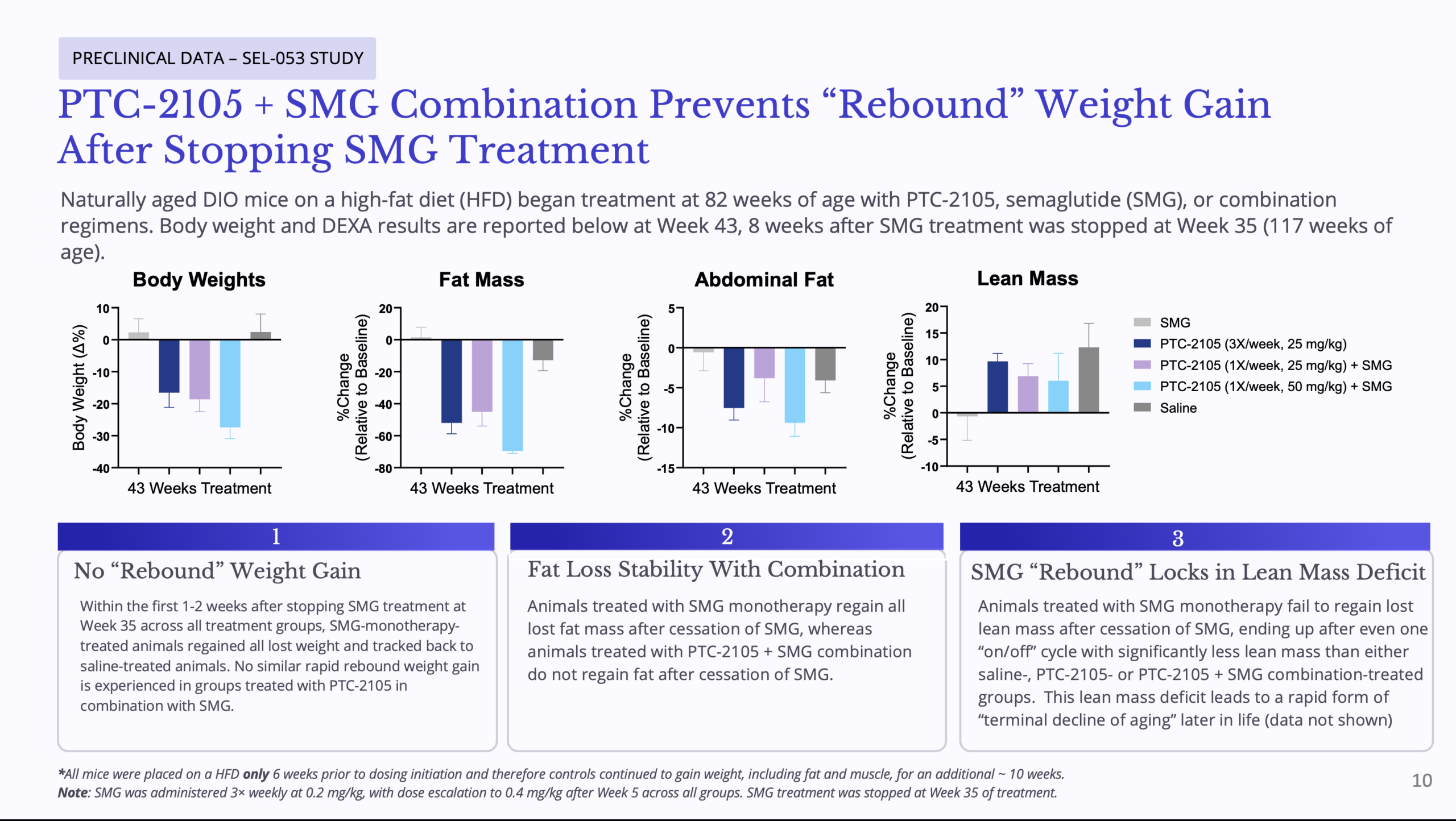
Naturally aged DIO mice on a high-fat diet (HFD) began treatment at 82 weeks of age with PTC-2105, semaglutide (SMG), or combination regimens. Body weight and DEXA results are reported below at Week 43, 8 weeks after SMG treatment was stopped at Week 35 (117 weeks of age).

  • No “Rebound” Weight Gain
    • Within the first 1-2 weeks after stopping SMG treatment at Week 35 across all treatment groups, SMG-monotherapy-treated animals regained all lost weight and tracked back to saline-treated animals. No similar rapid rebound weight gain is experienced in groups treated with PTC-2105 in combination with SMG.
  • Fat Loss Stability With Combination
    • Animals treated with SMG monotherapy regain all lost fat mass after cessation of SMG, whereas animals treated with PTC-2105 + SMG combination do not regain fat after cessation of SMG.
  • SMG “Rebound” Locks in Lean Mass Deficit
    • Animals treated with SMG monotherapy fail to regain lost lean mass after cessation of SMG, ending up after even one “on/off” cycle with significantly less lean mass than either saline-, PTC-2105- or PTC-2105 + SMG combination-treated groups. This lean mass deficit leads to a rapid form of “terminal decline of aging” later in life (data not shown)
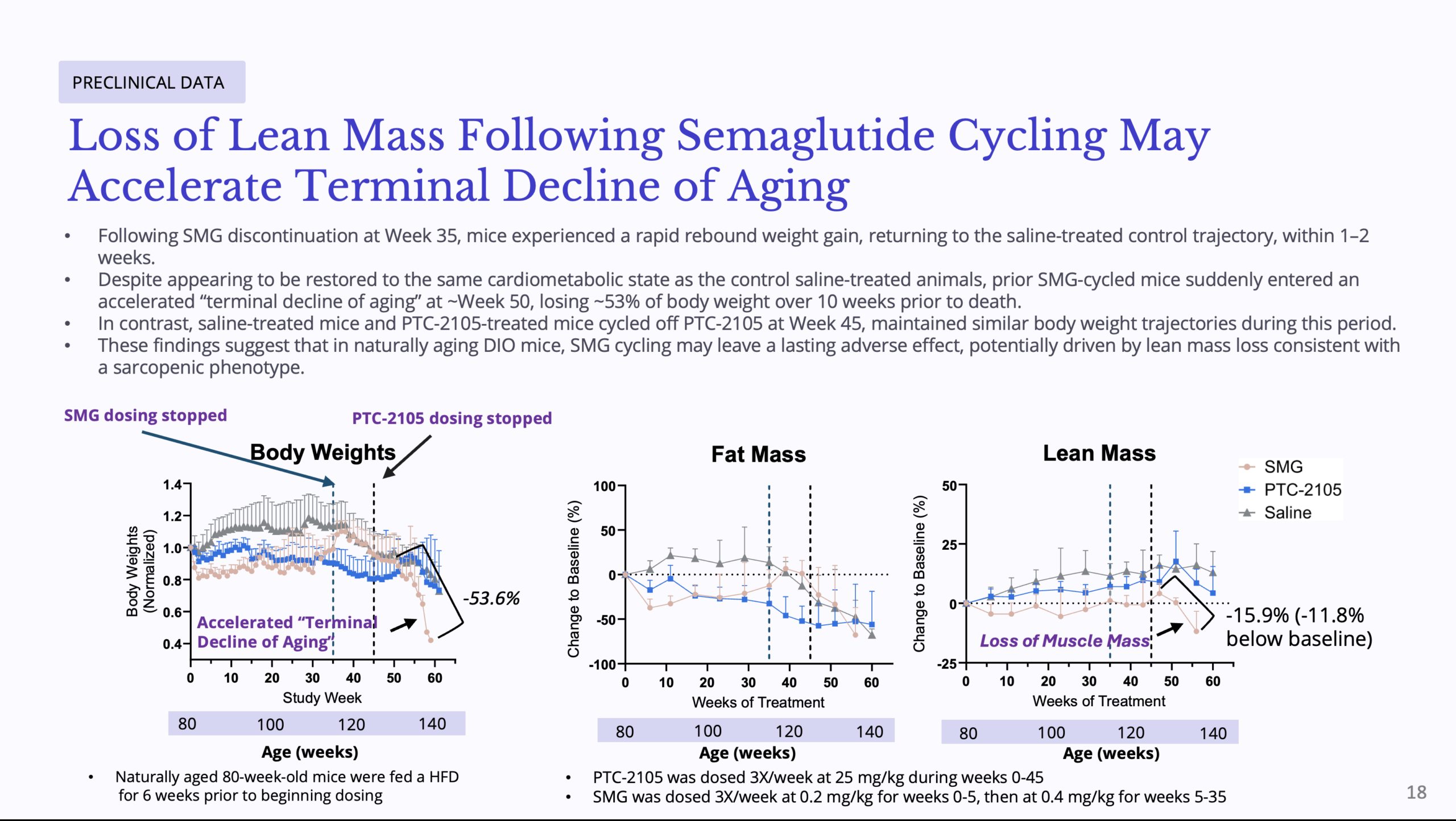
  • Following SMG discontinuation at Week 35, mice experienced a rapid rebound weight gain, returning to the saline-treated control trajectory, within 1–2 weeks.
  • Despite appearing to be restored to the same cardiometabolic state as the control saline-treated animals, prior SMG-cycled mice suddenly entered an accelerated “terminal decline of aging” at ~Week 50, losing ~53% of body weight over 10 weeks prior to death.
  • In contrast, saline-treated mice and PTC-2105-treated mice cycled off PTC-2105 at Week 45, maintained similar body weight trajectories during this period.
  • These findings suggest that in naturally aging DIO mice, SMG cycling may leave a lasting adverse effect, potentially driven by lean mass loss consistent with a sarcopenic phenotype.

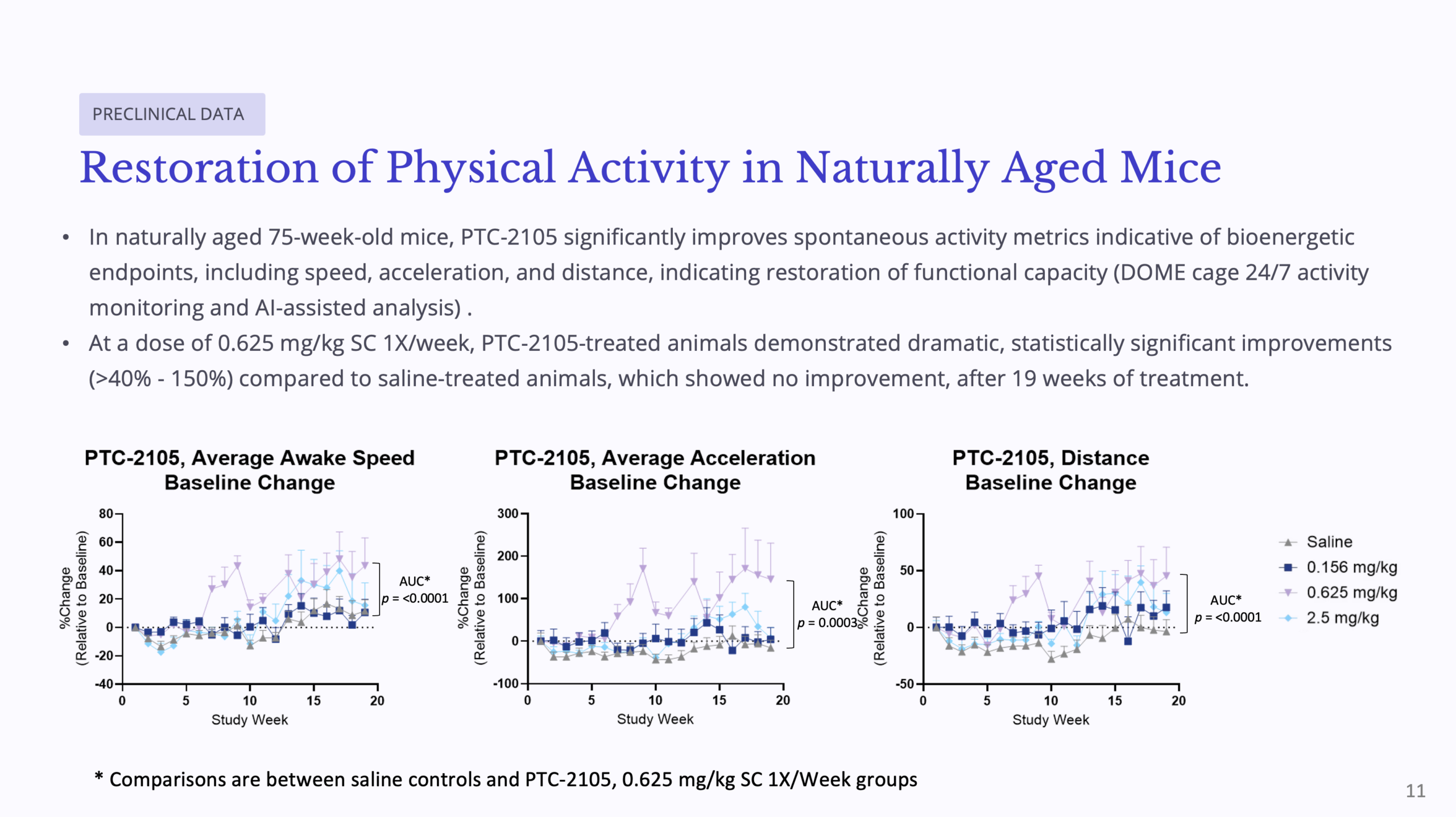
In naturally aged 75-week-old mice, PTC-2105 significantly improves spontaneous activity metrics indicative of bioenergetic endpoints, including speed, acceleration, and distance, indicating restoration of functional capacity (DOME cage 24/7 activity monitoring and AI-assisted analysis).

  • At a dose of 0.625 mg/kg SC 1X/week, PTC-2105-treated animals demonstrated dramatic, statistically significant improvements (>40% – 150%) compared to saline-treated animals, which showed no improvement, after 19 weeks of treatment.

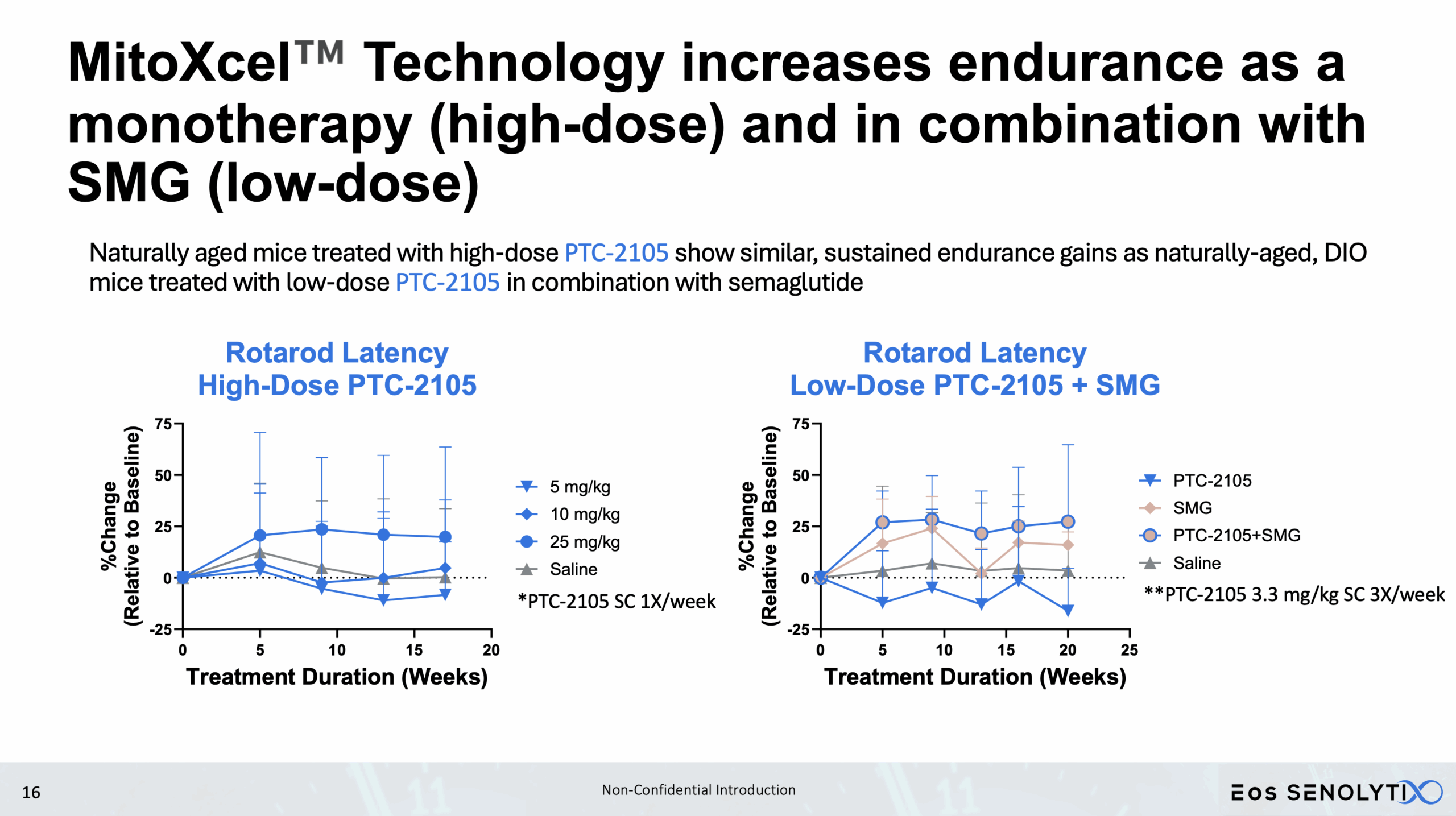
Lead clinical candidate PTC-2105, both as monotherapy and in combination with semaglutide, yielded sustained exercise endurance gains compared to saline-treated controls when measured on the Rotarod via Mechanism 1, in as little as 5 weeks and earlier, before Mechanism 2-induced elimination of senescent cells.

  • PTC-2105 works synergistically with semaglutide (“SMG”), acting at the Inner Mitochondrial Membrane to increase the MMP (Δψm) that decreases with age in all living organisms.
  • In addition to its activity against GLP-1, SMG also acts at the Inner Mitochondrial Membrane to slightly increase the MMP.
  • Dramatic improvements in exercise capacity were observed, including reversal of the well-known decline seen with semaglutide treatment alone, in animals treated with PTC-2105 monotherapy at high dose (“HD”) and treated with PTC-2105 low dose in combination with SMG.
  • PTC-2105 is now given SC once weekly with similar results.

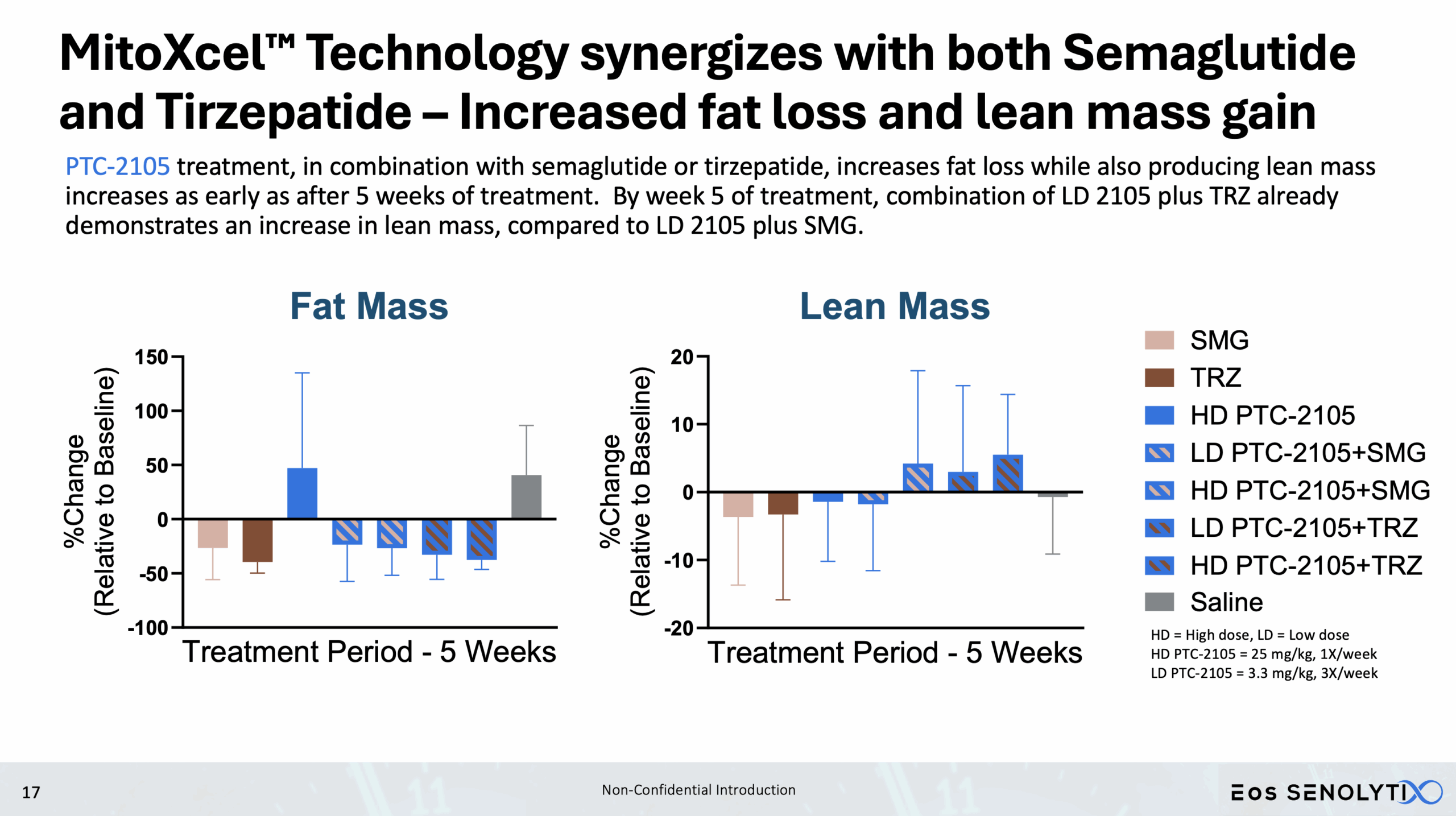
Both low and higher dose PTC-2105, as monotherapy and in combination with semaglutide (SMG) and tirzepatide (TRZ), increases the body weight and % fat mass loss observed with GLP-1 treatment alone, and reverses the loss of lean body mass, flipping it into a gain of lean body mass.

  • PTC-2105 treatment, as monotherapy and in combination with semaglutide or tirzepatide, increases fat loss while also producing lean mass increases as early as after 5 weeks of treatment.
  • By week 5 of treatment, combination of LD 2105 plus TRZ already demonstrates an increase in lean mass, compared to LD 2105 plus SMG. PTC-2105 is now given SC once weekly with similar results.

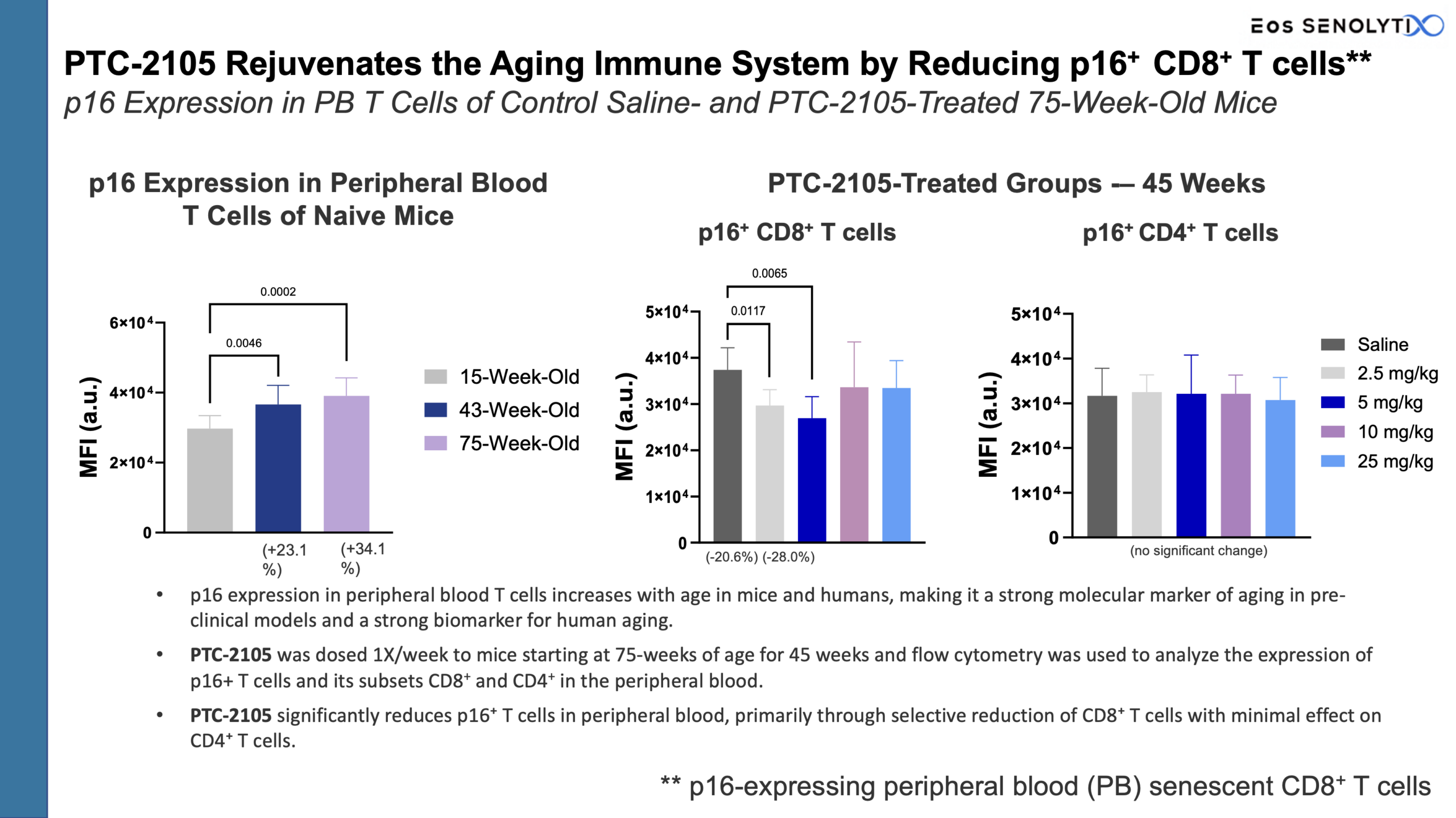
In naturally aged mice (75 weeks), treatment with PTC-2105 resulted in a statistically significant reduction in p16⁺ T cells following chronic dosing.

  • p16 expression in peripheral blood T cells increases with age, establishing it as a robust biomarker of immune aging.
  • In the SEL-041 study, naturally aged 75-week-old mice fed normal chow were treated with escalating doses of PTC-2105 (SC injections, 1X/week) or saline control for over one year.
  • Treatment with PTC-2105 resulted in a statistically significant reduction in p16⁺ T cells following chronic dosing starting even at the lowest dose of 2.5 mg/kg.
  • These results are consistent with a systemic reduction in senescent immune cells.
  • The accumulation of senescent T cells is a central driver of chronic inflammation and immune dysfunction in aging. Demonstrating the ability to reduce this burden supports a mechanistically differentiated strategy, targeting aging biology directly, rather than downstream symptoms.

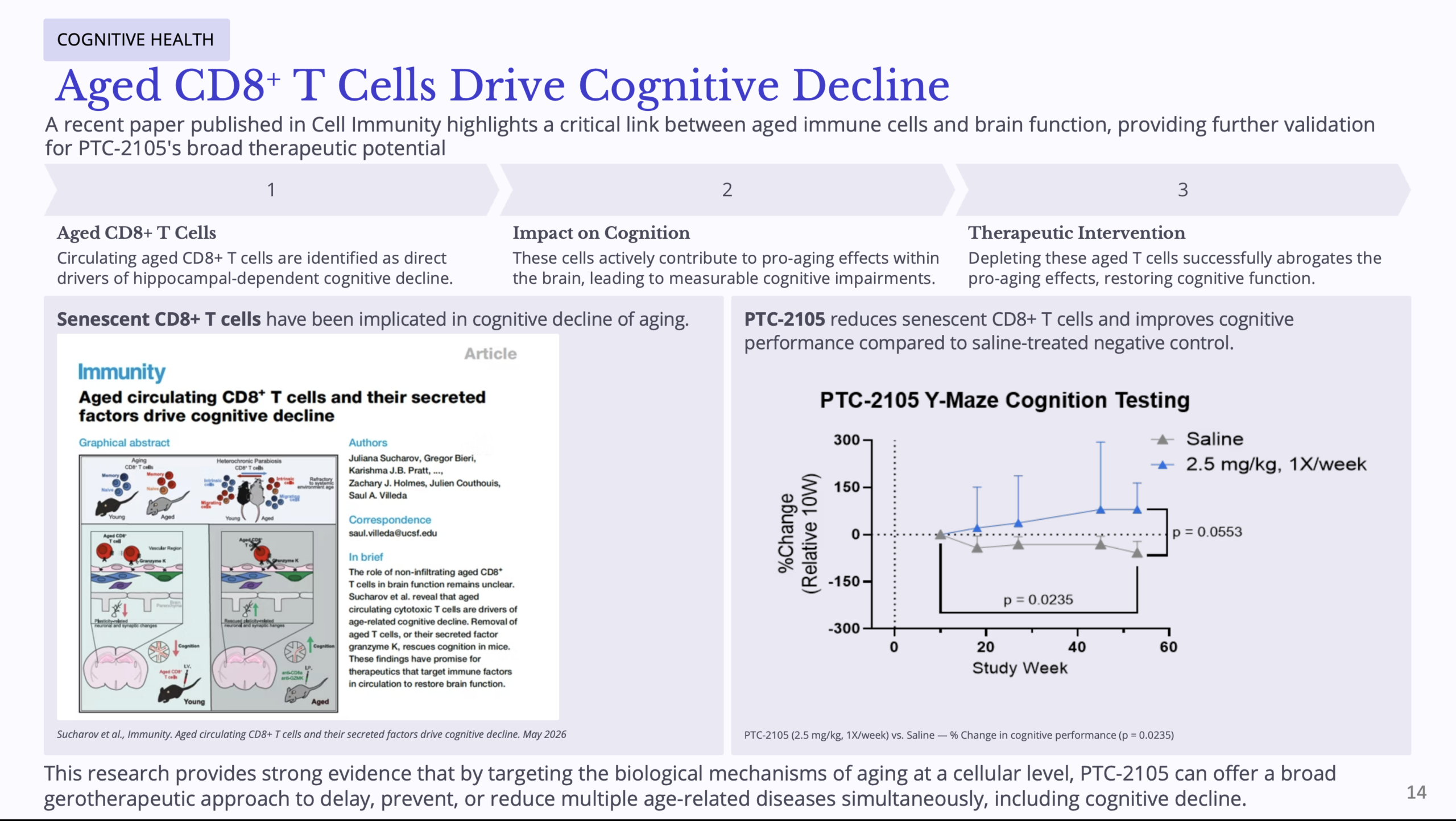
A recent paper published in Cell Immunity highlights a critical link between aged immune cells and brain function, providing further validation for PTC-2105’s broad therapeutic potential.

  • Aged CD8+ T Cells
    • Circulating aged CD8+ T cells are identified as direct drivers of hippocampal-dependent cognitive decline
  • Impact on Cognition
    • These cells actively contribute to pro-aging effects within the brain, leading to measurable cognitive impairments.
  • Therapeutic Intervention
    • Depleting these aged T cells successfully abrogates the pro-aging effects, restoring cognitive function.

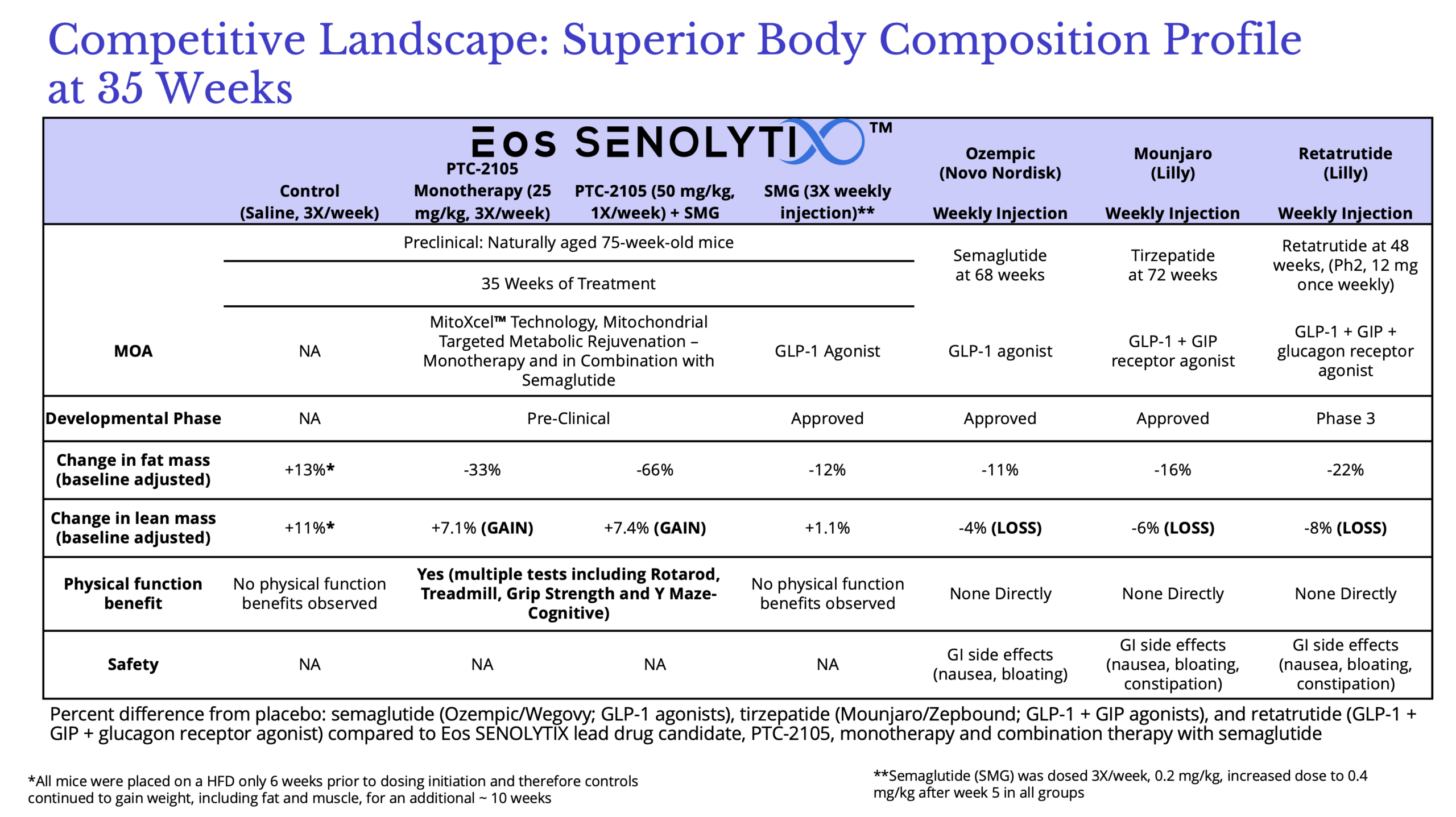
PTC-2105, both alone and in combination with GLP-1s, leads to a greater fat loss than any GLP-1 on the market or in clinical development. Furthermore, it is the only therapeutic that accompanies significant loss of fat with significant gain of lean mass.

  • PTC-2105 monotherapy (SC injection, 25 mg/kg, 3X/week) treatment of 75-week-old naturally aged DIO-fed mice for 35 weeks led to a 33% loss of fat accompanied by a 7.1% gain of lean mass, for an overall weight loss of 25.9%
  • Treatment with PTC-2105 (SC injection 25 mg/kg, 3X/week) in combination with the GLP-1, semaglutide (SMG), (SC injections, PTC-2105 50 mg/kg, 1X/week + SMG 3X/week, 0.2 mg/kg, increased dose to 0.4 mg/kg after week 5) in 75-week-old naturally aged DIO-fed mice for 35 weeks led to a 66% loss of fat accompanied by a 7.4% gain of lean mass, for an overall weight loss of 58.6%
  • These results are best-in-class with respect to both overall weight loss and the quality of the resulting body composition as measured by DEXA scans in PTC-2105-treated animals compared to reported results for GLP-1s
  • Patients on Retatrutide have a reported 32% total weight loss, comprised of a 22% loss of fat and a 10% loss of muscle at 48 weeks (Ph2, 12 mg once weekly). PTC-2105 monotherapy (SC injection, 25 mg/kg, 3X/week) treatment of 75-week-old naturally aged DIO-fed mice for 35 weeks led to a 33% loss of fat, accompanied by a 7.1% gain of lean mass, for an overall weight loss of 25.9%. PTC-2105 is now given SC once weekly with similar results.

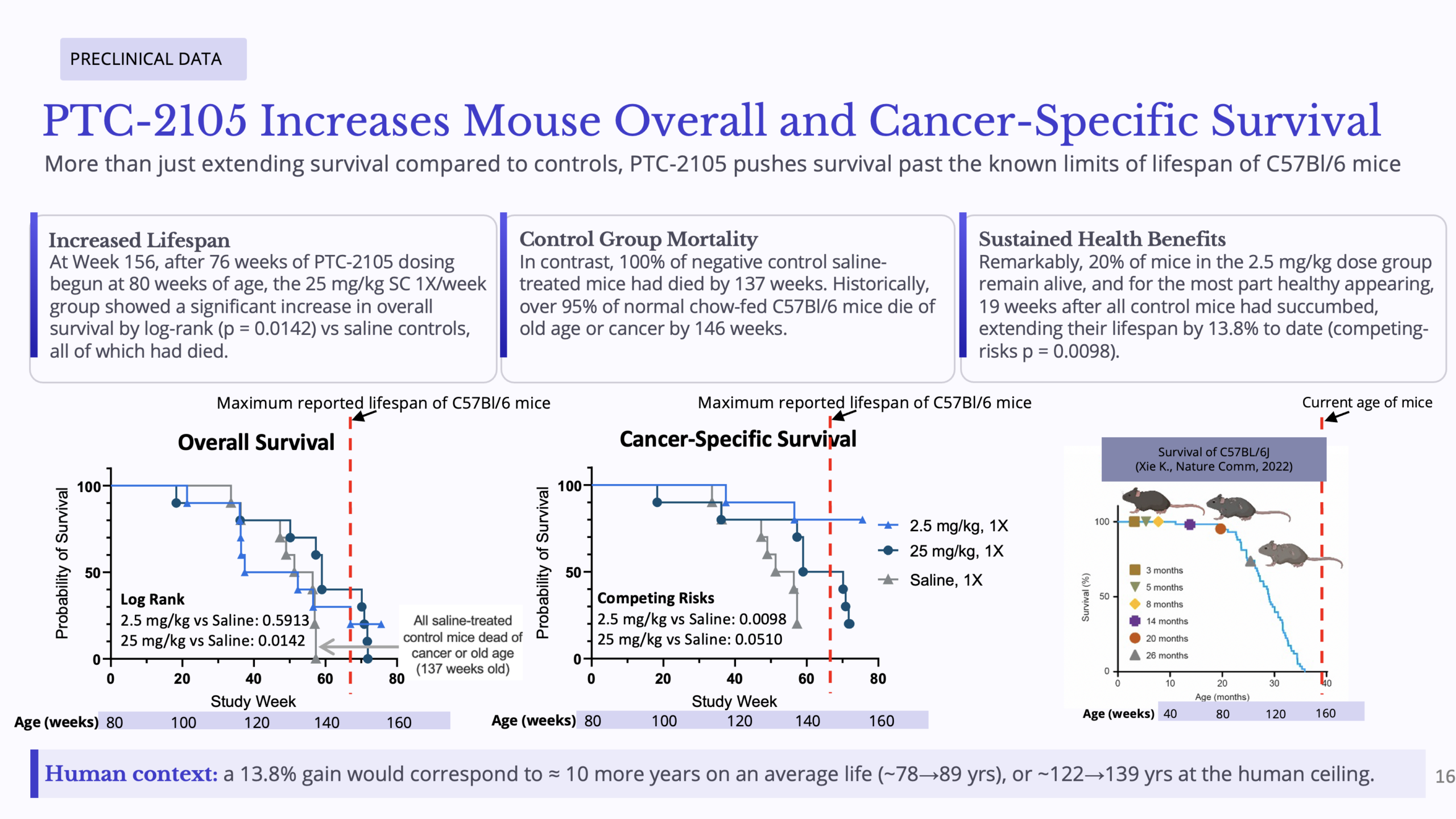
More than just extending survival compared to controls, PTC-2105 pushes survival past the known limits of lifespan of C57B/6 mice, showcasing its profound gerotherapeutic potential.

  • Increased Lifespan
    • At Week 151, after 71 weeks of treatment with PTC-2105, starting at 80 weeks of age, there was a statistically significant increase in overall survival (p = 0.0142) in the 25 mg/kg SC 1X/week dose group.
  • Control Group Mortality
    • In contrast, 100% of negative control saline-treated mice had died by 137 weeks. Historically, over 95% of normal C57Bl/6 mice die of old age or cancer by 146 weeks.
  • Sustained Health Benefits
    • Remarkably, 40% of mice in the 25 mg/kg dose group and 20% in the 2.5 mg/kg dose group remain alive, and for the most part, healthy appearing, 14 weeks after all control mice had succumbed, extending their lifespan by 11% to date in this ongoing experiment.