
PTC-2105 · Team Speedy
Improving Healthspan and Increasing Lifespan
Goals for a True Gerotherapeutic

Meet “Speedy”
A single mouse. A remarkable result.
Speedy is a PTC-2105-treated mouse who has outlived every untreated control in his study by more than 20%, while his physical performance exceeds that of mice about 1.3 years younger.
He isn’t the only one. Speedy is just one member of a whole team of PTC-2105-treated mice that have lived longer and exhibited better health than their untreated peers. He’s our team captain.
Age today166weeks
Beyond controls+21.2%vs oldest control (137 weeks)
On treatment86weeks of PTC-2105
Healthspan66weeks younger: the mice he outperforms. That is about half a typical mouse lifespan.

Share Speedy’s journey with your friends and colleagues
eossenolytix.com/team-speedy
The mouse character, Speedy, while representing single-animal data, has been created to increase viewer engagement with the entire dataset of experimental evidence supporting the claim that, in preclinical studies, PTC-2105 shows evidence of improving healthspan and increasing lifespan. However, these findings are from preclinical studies in naturally aged mice and have not yet been evaluated in human clinical trials. PTC-2105 is an investigational compound that has not been approved by the U.S. Food and Drug Administration or any other regulatory authority for any indication, and its safety and efficacy in humans have not been established.
Day and night in the DOME cage
How Speedy moves, compared with young and old untreated mice
Using advanced Olden DOME cage technology, which monitors each mouse individually through a video camera installed in the cage lid and reports continuous data, 24/7, on 21 separate behavioral metrics, we observed that Speedy’s current Locomotor Score 7-Day Healthspan Fingerprint, a measure of overall physical performance, was better during periods of nighttime activity than that of mice 1.3 years younger than he is: almost half of a mouse’s lifetime.
15-week-old naïve mice
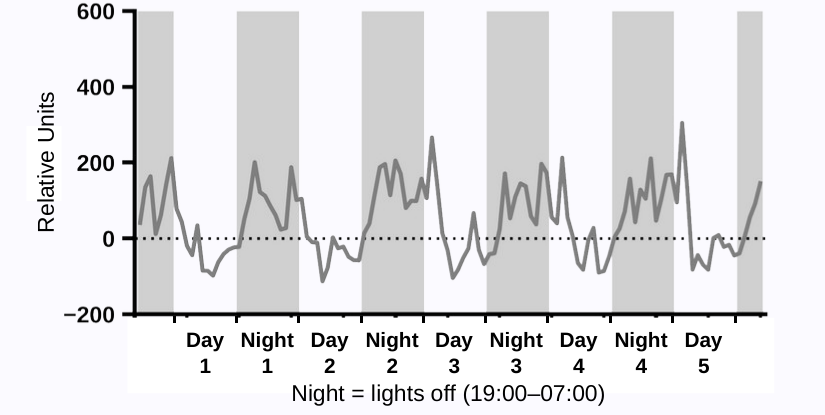
100-week-old naïve mice
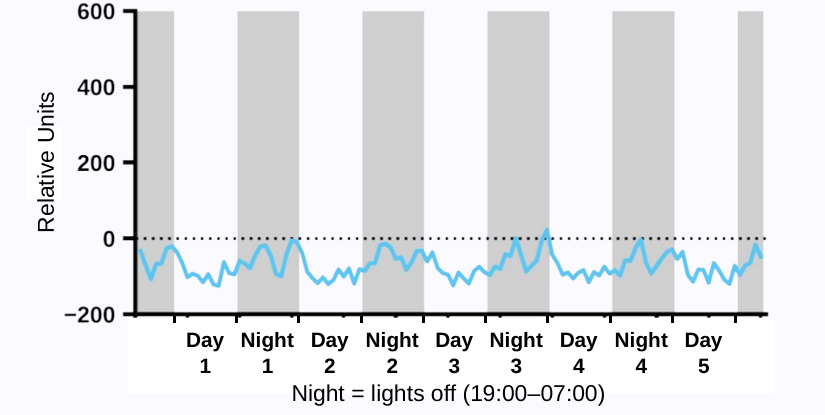
Speedy: 166 weeks old, 86 weeks on PTC-2105
Speedy · Oct 8, 2026, 3 AM
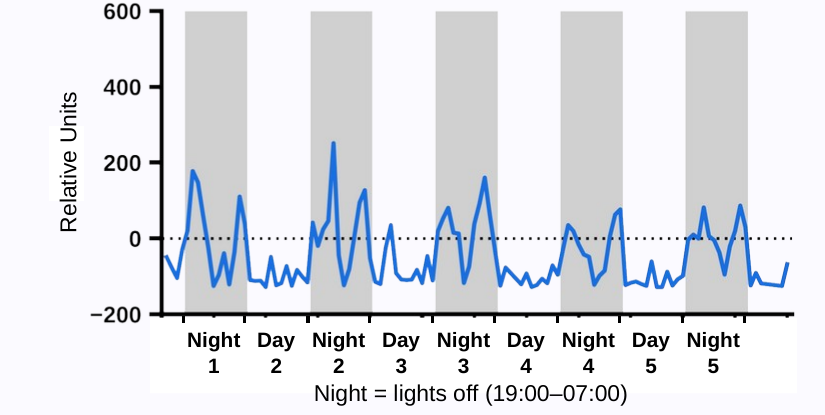
How to read the charts. Mice are nocturnal animals: they typically sleep during the day and are active at night. The grey bands are nights (lights off, 19:00–07:00), which is when their activity should peak. The Locomotor Score 7-Day Healthspan Fingerprint combines six DOME-cage metrics: distance travelled, overall, awake and maximum speed, acceleration, and angular velocity. Scores are in relative units against a control group of 12-week-old mice, so they can be negative. Videos are 30-second excerpts.
Oldest mouse in a reference C57BL/6J aging cohort: ≈155 weeks1. Speedy’s lifespan to date: 21.2% beyond the oldest saline control.
1 Xie K, et al. Deep phenotyping and lifetime trajectories reveal limited effects of longevity regulators on the aging process in C57BL/6J mice. Nat Commun 2022;13:6830. doi:10.1038/s41467-022-34515-y
Daily update
Speedy, last night
Status: AliveClip recorded October 28, 2026Updated daily by 10 a.m. ET
Seven days and nights in the DOME cage: November 16–22, 2026
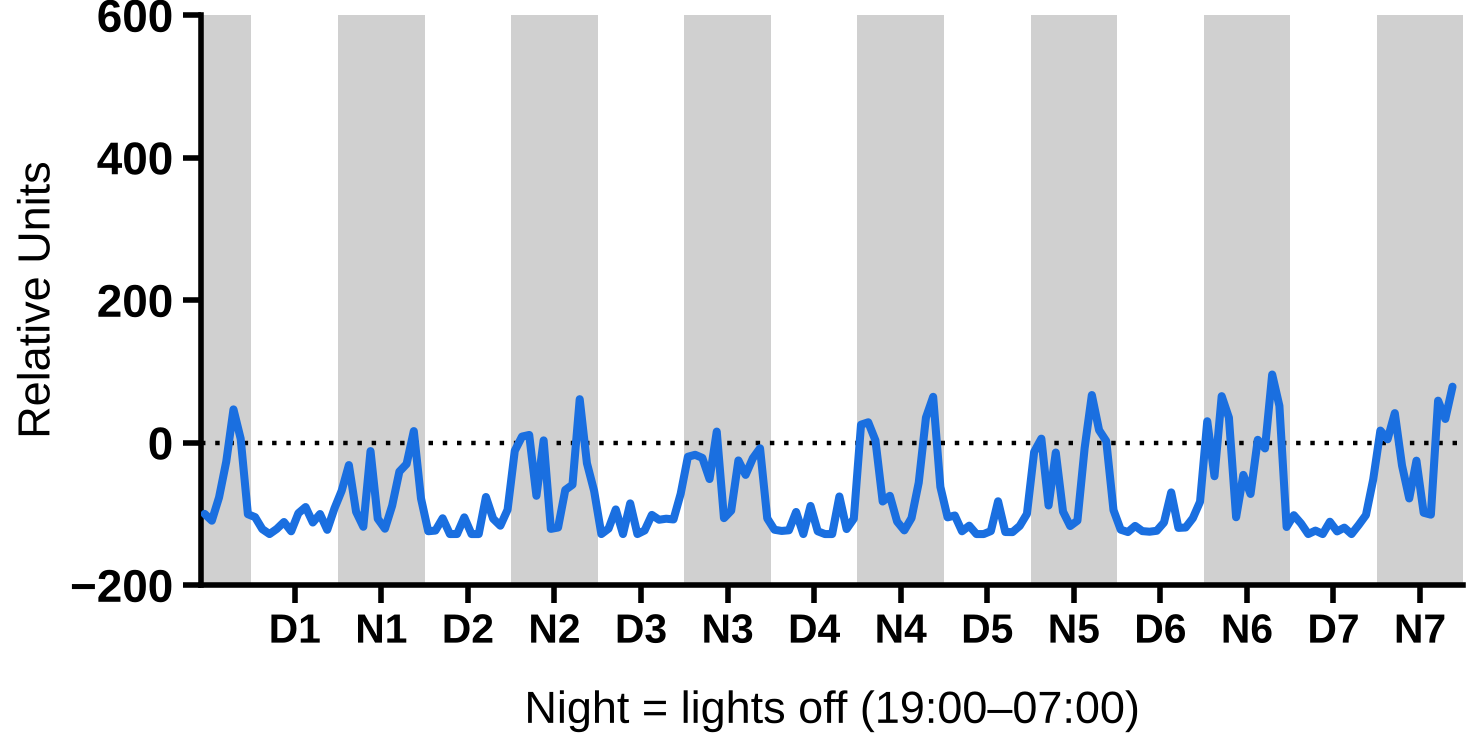
Because Speedy sleeps during the day, we post a short clip of his activity from the previous night, every morning.
In memoriam
Team Speedy remembers
Speedy
Born · Died
weeks of life
His contribution to MitoXcel geropeptide technology: the first, and the team captain, who got all of this started. The PTC-2105-treated mouse who outlived every untreated control in his study.
Current age166 weeks
Time beyond all controls6.7 months
Weeks on treatment86
Locomotor ScoreAbove 100-week-old mice
Latest milestone165 weeks
Age, days and weeks update automatically from Speedy’s birth and treatment-start dates.
Speedy’s journey
Past the lifespan ceiling
Mice of Speedy’s strain very rarely live beyond about 155 weeks. Speedy has gone past that ceiling. So did a PTC-2105-treated mouse in a separate study on a high-fat diet, who reached 164 weeks nearly 40 weeks after his treatment stopped. Two mice, two different studies, the same result: this is not a single data point.
C57BL/6 mouse lifespan ceiling
≈155 weeks1
SpeedyTeam captain · normal chow diet
Jackson Laboratory
On PTC-2105
75 weeks: moves to Eos SENOLYTIX
80 weeks: treatment starts
Last saline control dies (137 weeks)
166 weeks · today
Human equivalentEstimated equivalent human age2
yrs
204060707890100110122≈54 yrs at 75 weeks (moves to Eos SENOLYTIX)
≈78 yrs: average human life expectancy (≈ strain median lifespan)
122 yrs: oldest documented human
Age (weeks)
020406080100120140160180200
Standard conditions, Jackson LaboratoryAcclimation at Eos SENOLYTIXOn PTC-2105
Swipe sideways to see the full timeline.
These findings are from preclinical studies in naturally aged mice and have not been evaluated in human clinical trials. Therefore, their relevance to humans has not been established.
Speedy today166 weeksnormal chow diet
Speedy, beyond oldest control+21.2%oldest control in his study: 137 weeks
Please read the human line as an illustration only. It maps mouse ages to approximate human life stages, as explained in note 2. It is not a prediction. Results in mice often do not translate to humans. PTC-2105 has not been tested for lifespan in humans, and nothing here suggests that it would extend human life.
1 Xie K, et al. Deep phenotyping and lifetime trajectories reveal limited effects of longevity regulators on the aging process in C57BL/6J mice. Nat Commun 2022;13:6830. doi:10.1038/s41467-022-34515-y (survival of male C57BL/6J mice: last death at ~36 months).
2 Human-equivalent ages are mapped non-linearly to published life-stage equivalents (The Jackson Laboratory: 3–6 months ≈ 20–30 years; 10–14 months ≈ 38–47 years; 18–24 months ≈ 56–69 years), with the strain’s median lifespan (≈125 weeks) aligned to average human life expectancy (≈78 years). Beyond that point the scale continues at the same rate: the strain’s maximum reported lifespan (≈155 weeks) corresponds to about 103 years, and 170 weeks to about 115 years, the range of human supercentenarians. The hatched section extends this rate to the oldest documented human (122 years, ≈178 weeks). Equivalences are approximate.
Preclinical data · Speedy’s study · Survival
PTC-2105 increases mouse overall and cancer-specific survival
Speedy is not a one-off. He comes from a full survival study in which whole groups of naturally aged mice were treated with PTC-2105 or saline from 80 weeks of age and followed until their natural deaths. More than extending survival compared with controls, PTC-2105 pushed survival past the known limits of lifespan of C57BL/6 mice in this study.
Increased lifespan
At week 152, after 72 weeks of PTC-2105 dosing begun at 80 weeks of age, the 25 mg/kg SC 1X/week group showed a significant increase in overall survival by log-rank (p = 0.0142) vs saline controls, all of which had died. At week 172, after 92 weeks of PTC-2105 dosing, 10% of the 2.5 mg/kg SC 1X/week group remain alive.
Control group mortality
In contrast, 100% of saline-treated control mice had died by 137 weeks. Historically, more than 95% of C57BL/6 mice fed normal chow die of old age or cancer by 155 weeks.
Sustained health benefits
10% of mice in the 2.5 mg/kg group (Speedy’s group) remain alive and, for the most part, healthy in appearance, 29 weeks after all control mice had died, extending their maximum lifespan by 21.2% to date. All PTC-2105-treated mice that died just before or after the maximum reported lifespan died of cancer, not advanced age.
Survival curves
Overall and cancer-specific survival, PTC-2105 versus saline
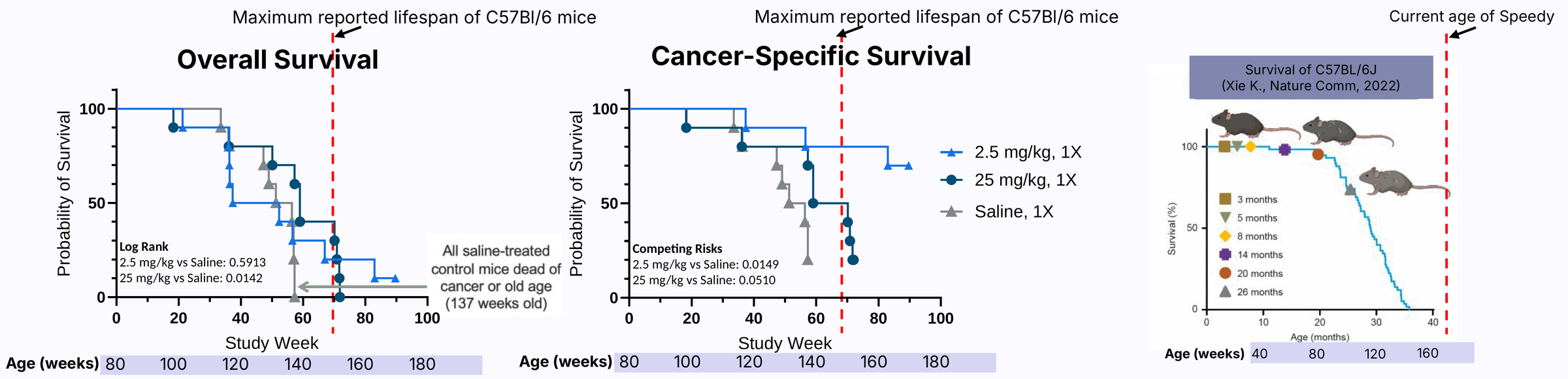
- PTC-2105 appears to exert its survival benefit later in life, when naturally aging mice transition into a phase of “terminal decline” prior to age-related death, a transition that appears blocked by PTC-2105 (see the body-weight curves).
- Standard survival statistics, such as the log-rank test and the Cox proportional hazards model, work best when a treatment lowers the risk of death (the hazard ratio) by the same amount throughout life, so they can understate a benefit like this one that appears only late in life.
- Overall survival, log-rank test: 2.5 mg/kg vs saline, p = 0.5913; 25 mg/kg vs saline, p = 0.0142.
- Cancer-specific survival, competing-risks analysis: 2.5 mg/kg vs saline, p = 0.0149; 25 mg/kg vs saline, p = 0.0510.
- Red dashed line: maximum reported lifespan of C57BL/6 mice. Right panel: survival of male C57BL/6J mice, reproduced from Xie K, et al. Nat Commun 2022;13:6830 (CC BY 4.0).
Preclinical data · Speedy’s study
Speedy’s Lifetime Progress Compared to Peer Controls
Untreated mice follow a familiar pattern: they put on weight through normal, “physiologic aging”, then suddenly enter a new phase, the “terminal decline of aging”, during which they lose weight quickly before death. Mice treated with PTC-2105 from 80 weeks of age held a steady weight, never entered the “terminal decline of aging” phase, and maintained a body composition closer to that of younger mice.
Saline-treated control mice slowly lose grip strength during the normal aging process, but Speedy and his teammates in his PTC-2105 treatment group maintained and even increased their grip strength with age.
Over the whole study
Body weight and grip strength: Speedy, his treatment group and saline controls
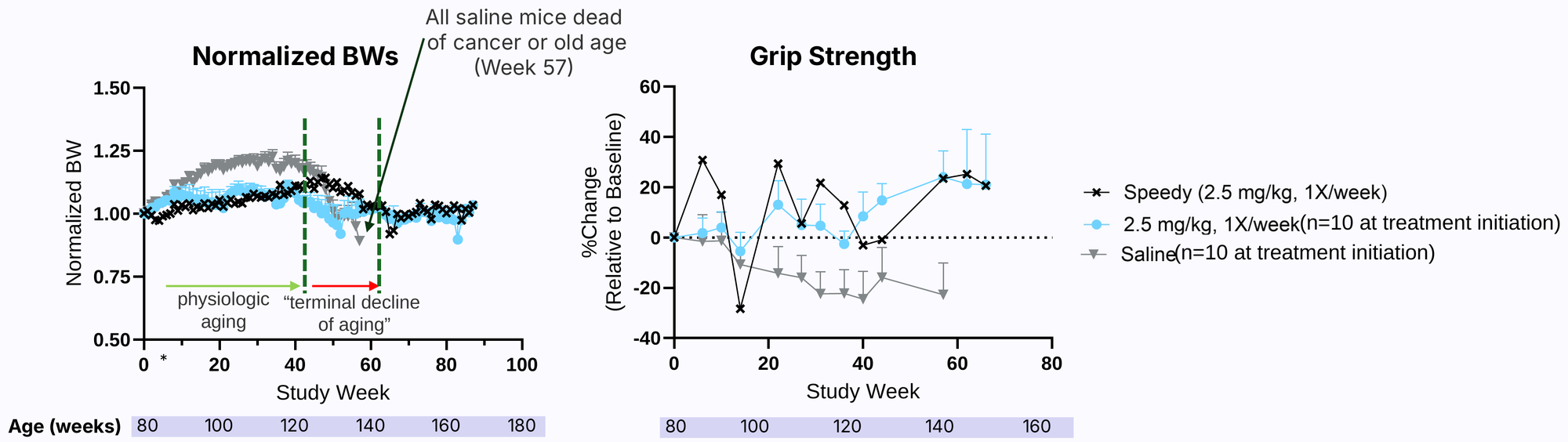
- Naturally aged mice on a normal chow diet; treatment began at 80 weeks of age.
- Control mice gained weight during “physiologic aging”, then lost weight rapidly during the “terminal decline of aging” before death. All saline mice had died of cancer or old age by study week 57.
- Mice treated with PTC-2105 2.5 mg/kg once a week kept a steady weight through both periods.
- Control mice slowly lose grip strength during the normal aging process.
- Speedy and his teammates in his PTC-2105 treatment group maintained and even increased their grip strength with age.
- Group averages (n=10 at the start of the study) are shown for each measure, alongside Speedy’s individual data. Phenotyping stopped after study week 65 (145 weeks of age) because of attrition.
Second species
Now replicated in aged rats
The physical-function benefit of PTC-2105 has now been replicated in rats, providing second species validation: in an interim analysis, treated super-aged rats kept their rotarod performance close to baseline while untreated rats declined, and they lost more fat mass. This is an important milestone in the clinical development of PTC-2105, with first-in-human trials targeted for 2027.
Body composition
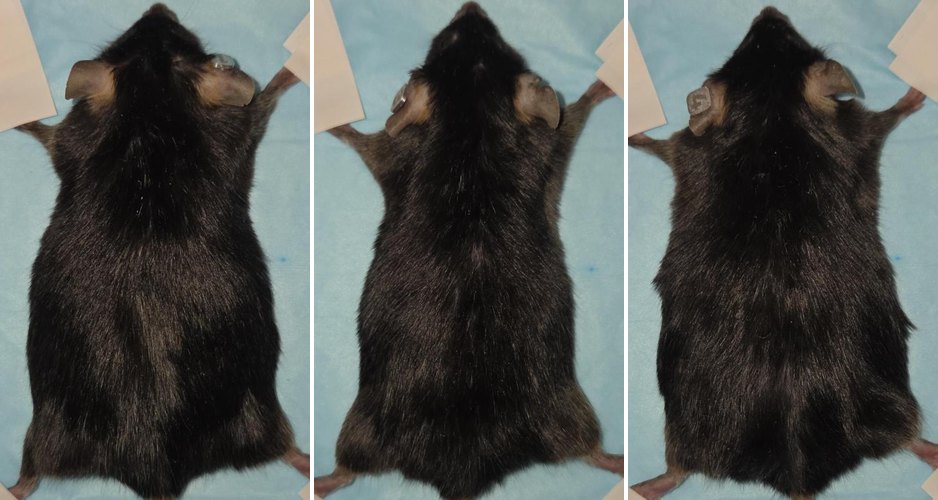
Speedy and his PTC-2105-treated teammates maintained a youthful body weight and body composition
Earlier in his life, at 146 weeks of age (already close to the maximum lifespan of normal mice, and after all the control mice had died by 137 weeks of age) and after 66 weeks of PTC-2105 treatment, Speedy and his similarly treated teammates had a body weight similar to young untreated mice and the highest percentage of lean mass of all three groups, including young and old untreated animals.
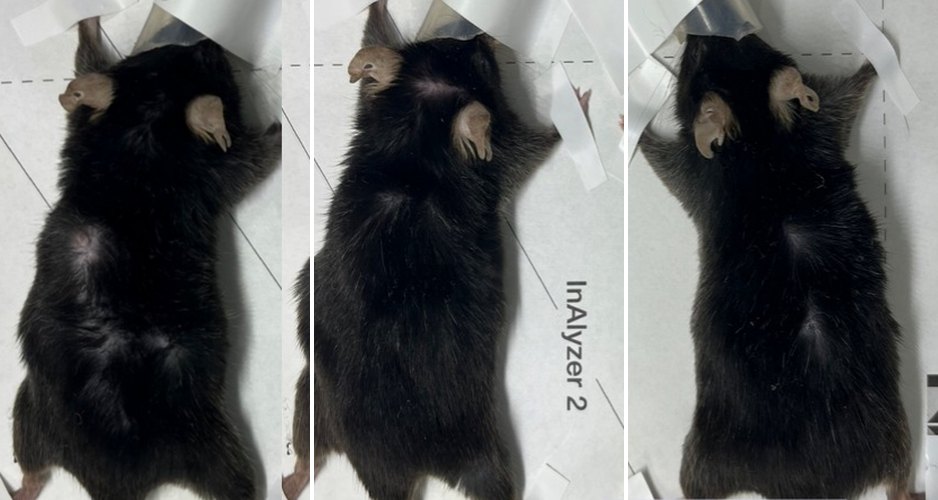 Speedy
- Body weight
- 32.7 greference group
- Fat mass
- 14.4%reference group
- Lean mass
- 83.7%reference group
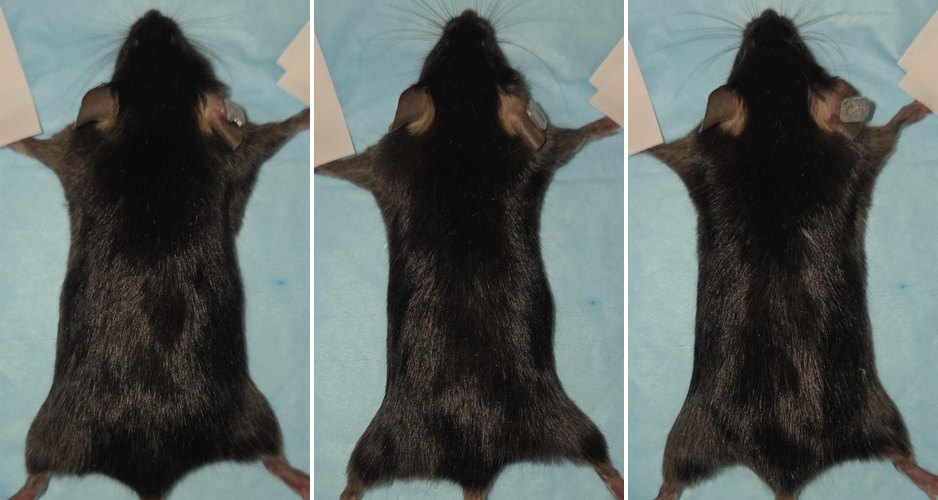
- Body weight
- 34.7 g+6.1% vs treated
- Fat mass
- 26.9%+86.8% vs treated
- Lean mass
- 71.2%−14.9% vs treated
- Body weight
- 40.7 g+24.5% vs treated
- Fat mass
- 24.3%+68.8% vs treated
- Lean mass
- 73.8%−11.8% vs treated
Fat mass and lean mass as a percentage of body weight; group means. Grey percentages show the relative difference from the PTC-2105-treated group. Male C57BL/6 mice fed normal chow in all groups.
Preclinical data in mice. See the important disclaimer at the bottom of this page.
Preclinical data · High-fat diet study
Lifespan of Animals Treated with PTC-2105 and Semaglutide Compared to Controls
In a different study, we tested whether PTC-2105’s benefits hold up on a high-fat diet and after treatment stops. This study added groups of mice that cycled on and off the GLP-1 drug semaglutide (“SMG”, data shown) and different doses of PTC-2105 in combination with SMG (data not shown).
- Diet: naturally aged mice on a high-fat diet.
- From 80 weeks of age: PTC-2105 (25 mg/kg, 3×/week), semaglutide (“SMG”) or saline.
- Dosing stopped: semaglutide (“SMG”) at study week 35; PTC-2105 and saline at week 45.
- Lifespan: one PTC-2105-treated animal lived to 164 weeks of age, 8.6% longer than the last control animal (151 weeks) and 15.5% longer than the last SMG-treated animal (142 weeks). He died of cancer, not advanced age, nearly 40 weeks after his last dose of PTC-2105.
Body composition
Body weight, body composition and lifespan: PTC-2105 treatment group, SMG-treated animals and controls
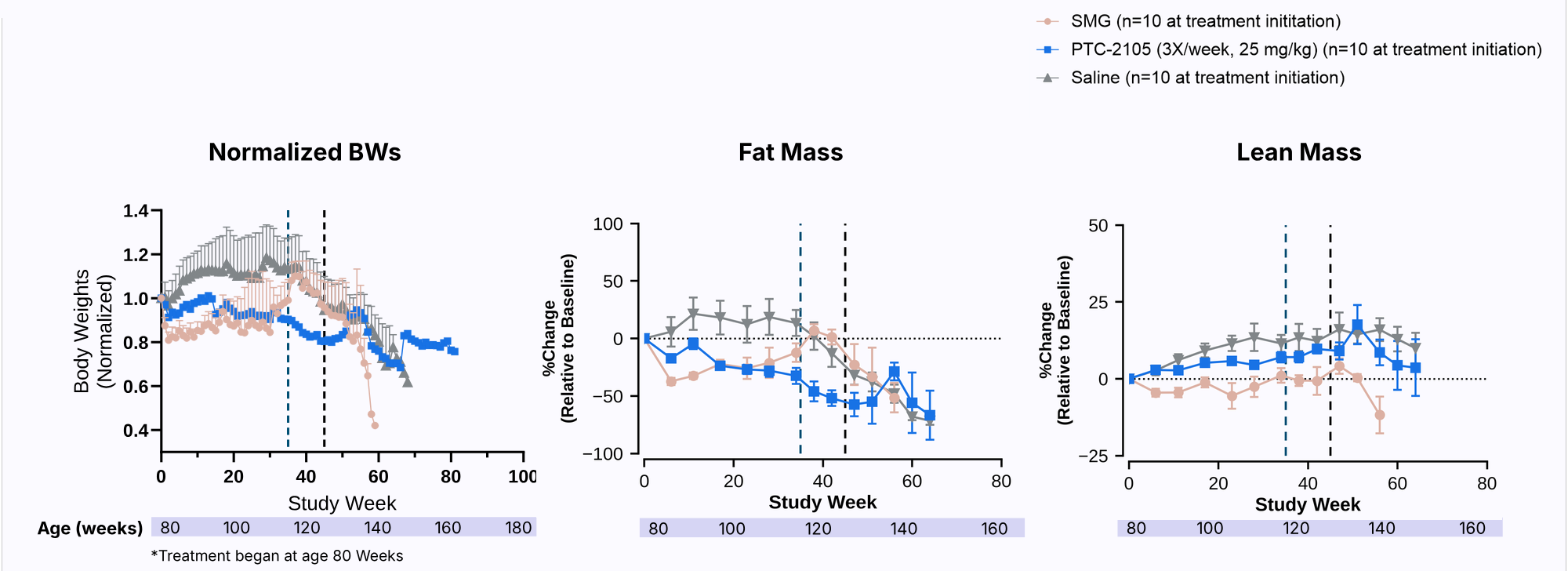
- Naturally aged 80-week-old mice on a 45% kcal high-fat diet.
- Group averages are shown for each measure.
- Dashed vertical lines mark when dosing stopped: teal = semaglutide (“SMG”) stopped (study week 35); black = PTC-2105 and saline stopped (study week 45).
- The 30-week crossover: at about study week 30, the PTC-2105 group’s body-weight curve crossed below the semaglutide (SMG) group’s. From that point, weight loss with PTC-2105 exceeded weight loss with SMG.
- Rapid weight rebound after SMG: within 1–2 weeks of stopping SMG, mice regained weight and returned to the same trajectory as saline-treated controls.
- Lean mass did not recover: after stopping SMG, mice in the SMG-only group did not regain the lean mass they had lost. After a single on/off cycle, they had less lean mass than both the saline and PTC-2105 groups.
- A possible link to earlier decline: later in life, the SMG-treated mice entered an accelerated “terminal decline of aging” and died earlier than both the PTC-2105-treated and saline-treated mice. In this study, the lean-mass loss that followed SMG cycling may have contributed to that earlier decline. This is an observation from a small number of mice, not a demonstrated cause, and it may not apply to semaglutide as it is used in people.
Preclinical data in mice. See the important disclaimer at the bottom of this page.
Preclinical data · Lifetime study · Interim results
PTC-2105, semaglutide and the combination: midpoint results
The combination of PTC-2105 + semaglutide showed an immediate and dramatic benefit in physical activity from the first monitored week, with continued improvement thereafter. PTC-2105 alone tracked steadily along with saline controls until ~75 weeks of age, after which their locomotor score began to steadily increase, the semaglutide-treated animals’ score began to decrease, and the saline-treated controls’ score held steady. These data are consistent with our hypothesis that MitoXcel™ geropeptide PTC-2105 targets aging.
Our first-of-a-kind lifetime study compares semaglutide, PTC-2105 and the combination with saline-treated control mice over their entire ~3-year lifespan, with treatment starting at about 25 weeks of age. The animals are now entering >95 weeks of age, the typical period of evaluation in our previous studies of PTC-2105. The study, at its midway point, is expected to continue for an additional 80 weeks.
Combination vs semaglutide+64 pointsactivity from study week 52, p<0.001
Combination vs saline+48 pointsactivity from study week 52, p<0.001
PTC-2105 vs semaglutide+34 pointsactivity from study week 52, p<0.01
PTC-2105 activity trend+1.4 per weekfrom ~77 weeks of age, vs +0.1 saline and −0.5 semaglutide
Physical activity
Locomotor score over the study
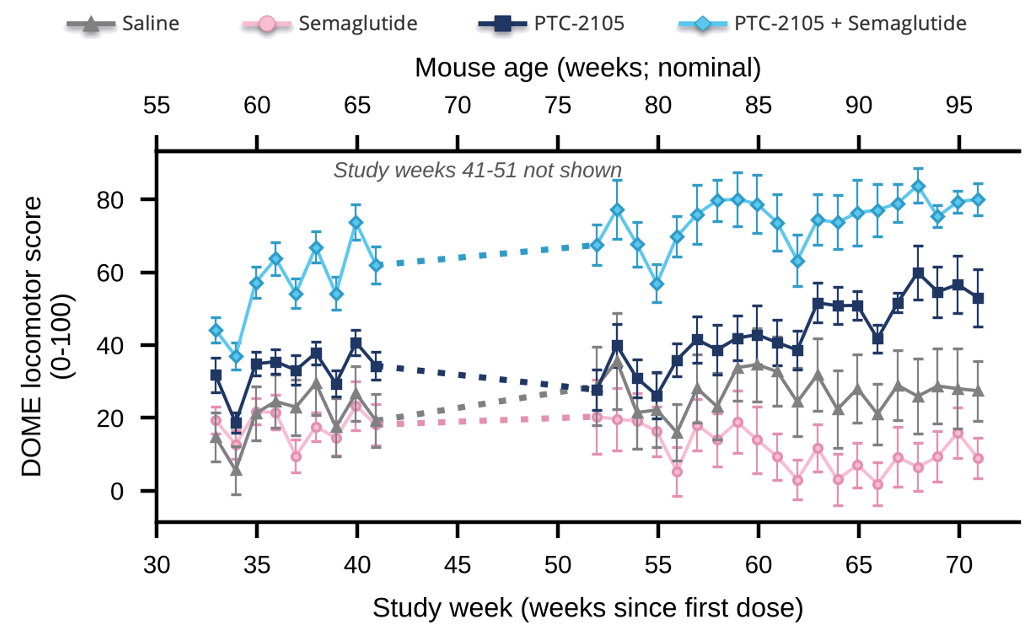
- Semaglutide alone: activity declined with age (−0.5 points/week, p=0.04 vs saline).
- PTC-2105 alone: activity rose with age (+1.4 points/week vs +0.1 for saline, p<0.001) and was higher than semaglutide alone (+15 points early, +34 from study week 52; p<0.01).
- Combination: the most active group, high and stable. Higher than semaglutide alone from the first monitored week and throughout (+39 early, +64 from week 52; p<0.001), and higher than saline from week 52 (+48 points, p<0.001).
Body weight
Body weight over the study
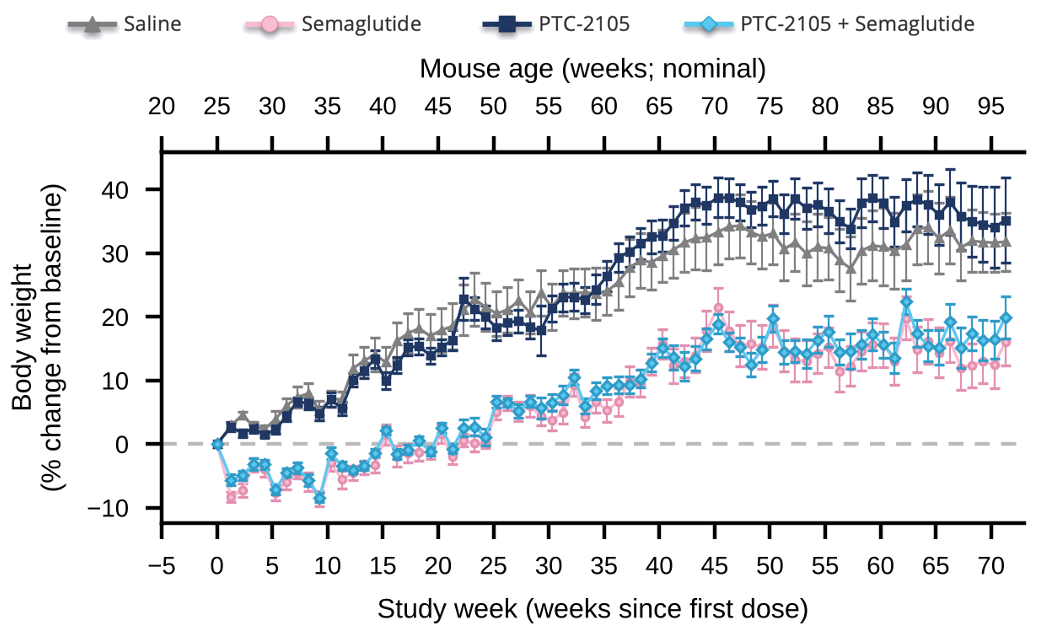
- The combination matched semaglutide alone for weight reduction relative to saline: PTC-2105 did not interfere with semaglutide’s effect.
- % change from weight at first dose.
Body composition
Fat mass over the study
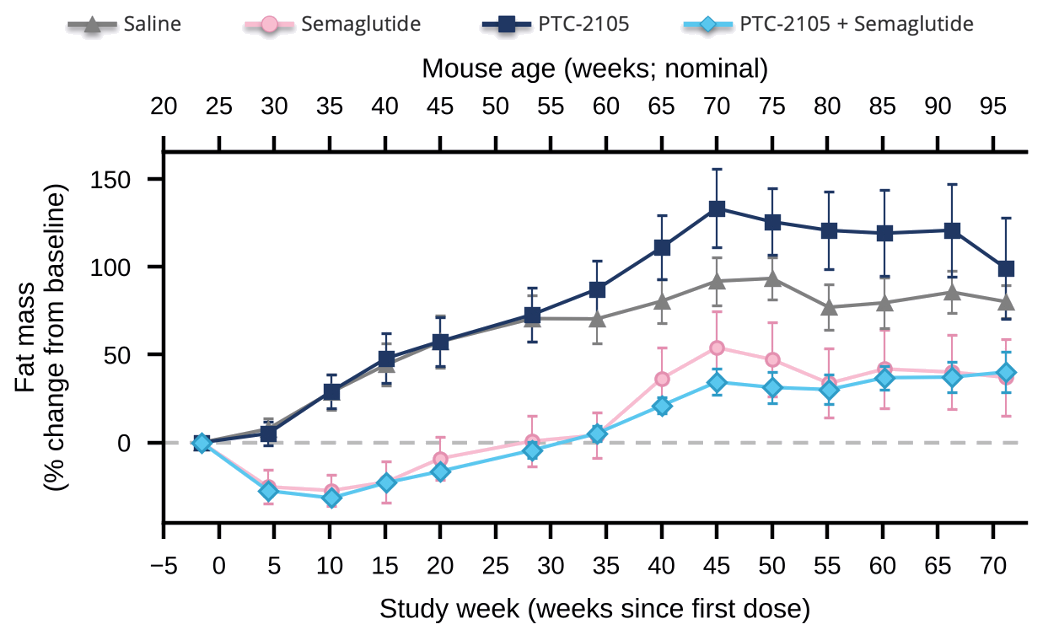
- The combination matched semaglutide alone for fat reduction relative to saline.
- % change from the DEXA baseline scan.
Body composition
Lean mass over the study
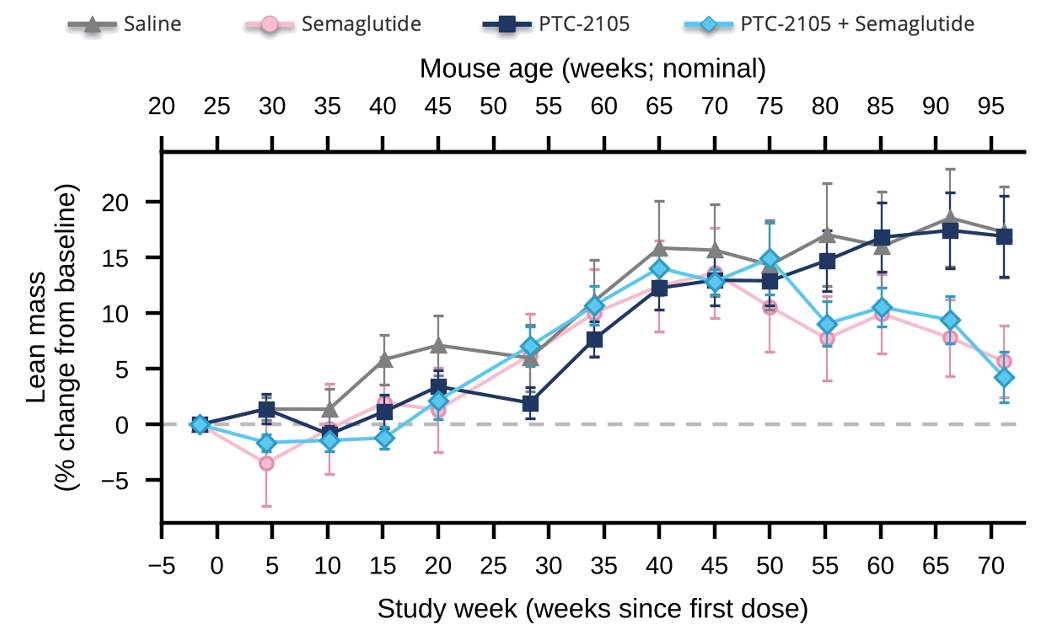
- At study week 71, neither semaglutide group preserved lean mass relative to saline (+4% and +6% vs +17%).
- % change from the DEXA baseline scan.
Why activity matters
Locomotor activity is one of the most practical measures of healthspan
Mice that stay active as they age are holding on to physical function, mobility and resilience. Treated from a young age, mice on semaglutide alone became less active over time, while mice on PTC-2105, alone or combined with semaglutide, stayed more active. These interim findings are consistent with our hypothesis that MitoXcel™ geropeptide PTC-2105 may preserve functional capacity during aging. We will update this page as the study continues.
- Study design: male C57BL/6J mice (n=10 per group at study start), normal chow diet, dosed subcutaneously from ~25 weeks of age with PTC-2105 25 mg/kg once a week, semaglutide 3 times a week, or both. Mean ± SEM.
- Locomotor score: absolute, young-anchored score (100 = young-adult reference); a higher score means a more active animal. Monitoring began at study week 32, with no pre-dose baseline. Study weeks 41–51 are not shown due to a technical error with camera monitoring (dotted). A p-value below 0.05 means a difference is unlikely to be due to chance.
Preclinical data in mice. See the important disclaimer at the bottom of this page.
Speedy’s teammates · Locomotor Score 7-Day Healthspan Fingerprint
Speedy is not alone
Speedy is not the only mouse we follow. Long-lived animals from our other PTC-2105 studies are tracked with the same tool: the Locomotor Score 7-Day Healthspan Fingerprint, recorded in DOME home cages. If Speedy is our d’Artagnan, meet his three musketeers.
However, unlike Speedy, Athos, Aramis and Porthos are fed a high-fat diet, and PTC-2105, begun at 80 weeks of age, was stopped at 120 weeks of age, after 40 weeks of treatment. Speedy, on the other hand, is fed a normal chow diet and has been continually dosed with PTC-2105 1X/week since 80 weeks of age.
The Locomotor Score combines six measures, recorded passively, day and night, in each mouse’s own cage, with no handling: distance, overall, awake and top speed, acceleration and turning, using a video camera that continuously monitors activity. Graphed over a 7-day period, the Locomotor Score 7-Day Healthspan Fingerprint is shown visually to communicate a mouse’s health status at a glance.
Like modern-day fitness trackers are for humans, the Locomotor Score 7-Day Healthspan Fingerprint is a technological advance over tests like the rotarod, reducing the number of mice needed to get a reliable reading on any treatment’s effectiveness in improving healthspan.
Athos
m2893- Age: died at about 151 weeks (November 17, 2026)
- Diet: 45% high-fat diet from 75 weeks of age
- Treatment: PTC-2105 begun at 80 weeks of age and then stopped after 40 weeks of treatment; restarted once a week from November 2, 2026
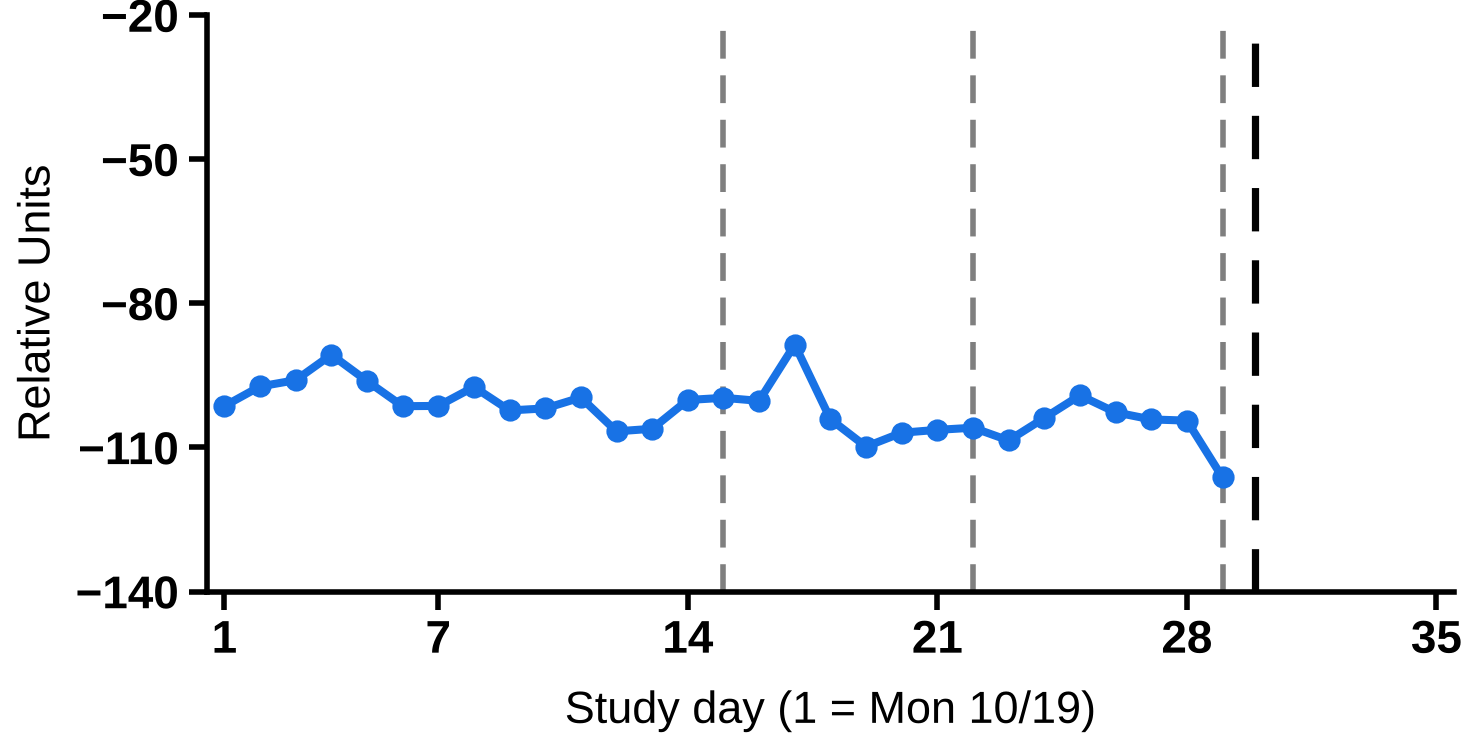
Aramis
m2897- Age: 152 weeks (November 23, 2026)
- Diet: 45% high-fat diet from 75 weeks of age
- Treatment: PTC-2105 begun at 80 weeks of age and then stopped after 40 weeks of treatment; restarted once a week from November 17, 2026
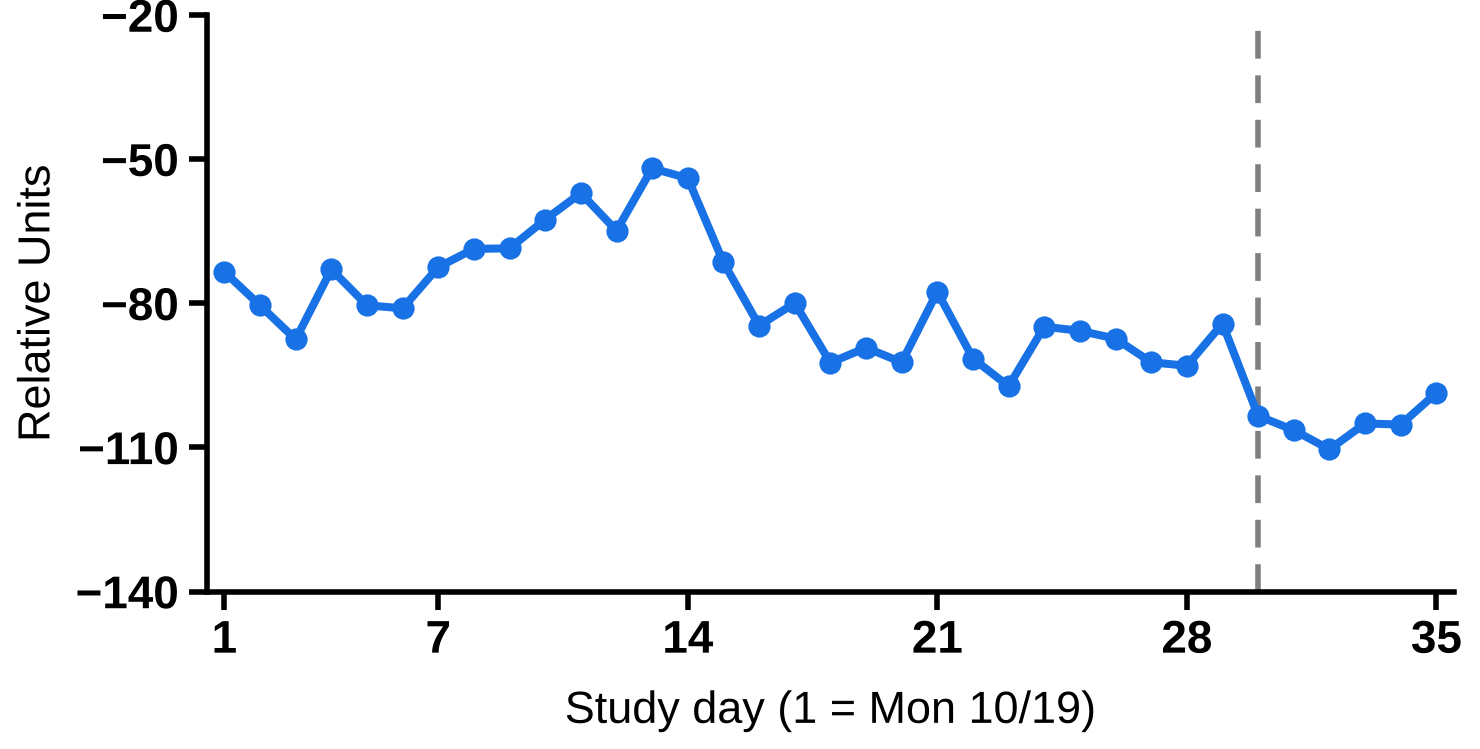
Porthos
m3160- Age: died at about 150 weeks (November 7, 2026)
- Diet: 45% high-fat diet from 75 weeks of age
- Treatment: PTC-2105 in combination with semaglutide for 25 weeks, begun at 80 weeks of age, followed by PTC-2105 alone for an additional 15 weeks; resumed November 2, 2026
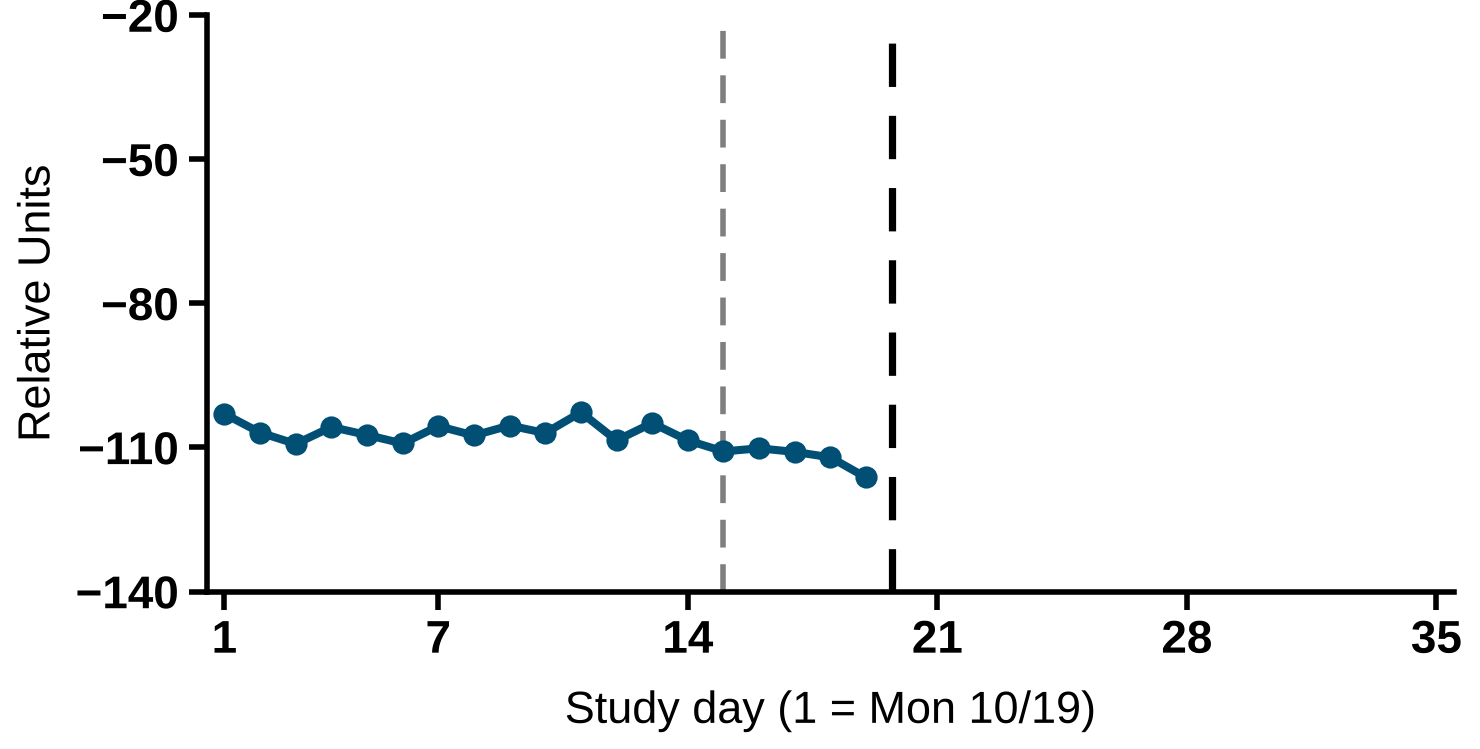
Charts show the daily mean Locomotor Score, October 19 – November 22, 2026 (study day 1 = Monday, October 19). Grey dashed lines mark when PTC-2105 was resumed and dosed (November 2, 9 and 16 for Athos, November 17 for Aramis, November 2 for Porthos); black dashed lines mark when Porthos was found dead, early on November 7, and when Athos died, on November 17. One mouse per panel, descriptive only.
Athos died on November 17, 2026. Porthos died on November 7, 2026. He was in the group in which semaglutide was cycled on and off, together with PTC-2105. Stopping semaglutide is known to harm metabolic health, and on November 9, 2026 we issued a press release announcing a presentation we are making at the 19th SCWD, taking place December 10–12, 2026 in Washington, D.C., reporting that treatment with semaglutide alone was associated with shorter survival in our preclinical studies.
SEL-063 study: 75-week-old male C57BL/6J mice were fed a 45% high-fat diet (HFD) for 6 weeks prior to initiation of dosing. Animals were dosed with saline (controls), semaglutide (SMG) monotherapy, tirzepatide (TRZ) monotherapy, PTC-2105 monotherapy, PTC-2105+SMG, or PTC-2105+TRZ. SMG and TRZ dosing was stopped at study week 25 (animals were 106 weeks old) in all groups, including combination groups, and PTC-2105 dosing was stopped at week 40 (animals were 121 weeks old).
Currently at week 71 of the study:
- The last saline control mouse died at 142 weeks old: lifespan extended in treatment groups by 7.04% to date.
- The last SMG mouse died at 139 weeks old: lifespan extended in treatment groups by 9.35% to date.
- The last TRZ mouse died at 145 weeks old: lifespan extended in treatment groups by 4.83% to date.
Our approach
No shortcuts: naturally aged mice, followed until their natural deaths
Aging is one program running across all organ systems in all living species, with inflammation, mitochondria and cellular senescence cutting across all of them. We study it in its natural setting, without shortcuts: not in genetic progeria or other models designed mostly for convenience, whose correlation with the human aging program is questionable.
- Natural death comes in two phases. Key measures break down 3 to 6 weeks before death: fat mass about 6 weeks before, food intake about 5.5, body weight about 3.6 and body temperature about 3.3.2
- Shortcuts can mislead. Accelerated-aging models, such as progeroid mice or aging induced by doxorubicin or etoposide, may not have any relevance to human aging.
- So we use real, naturally aged animals, and we follow every treated and control mouse until it dies of natural causes.
Our choiceNo shortcuts
75 weeksage of our C57BL/6 mice when they arrive, already late in a lifespan that tops out around 155 weeks1
≥80 weekslength of each study, which runs until the natural death of every treated and control animal (about 1.5 years)
~$100Kin mice alone for a 200-animal study, at about $500 per aged mouse
>30studies completed, in progress or planned to date
1 C57BL/6 median lifespan is 27–29 months; the maximum is about 36 months. Mouse cost excludes housing, dosing and phenotyping. 2 Cansell C, et al. BMC Biology 2025;23:318, Figure 3. doi:10.1186/s12915-025-02421-6
Animal welfare
How our mice live
The well-being of our animals comes first, and it is independently checked.
AAALAC-accredited facility
Our animal facility is accredited by AAALAC International, which independently assesses laboratory animal care and use programs.
IACUC oversight
All studies are approved and overseen by an Institutional Animal Care and Use Committee (IACUC). Our program recently passed an external IACUC audit.
Veterinary care
An attending veterinarian oversees the health and care of every animal, every day of the study.
- Housing: housed with cage mates in DOME home cages, with a 12-hour light/dark cycle and free access to food and water (normal chow for Speedy). As the last survivor of his group, Speedy now lives alone in his cage.
- Monitoring: the mice are monitored passively, 24 hours a day, by a camera in the cage lid. The camera records activity without any contact with the animals.
- Procedures: Speedy receives one subcutaneous injection of PTC-2105 a week. No other experimental procedures are performed on him.
- Health checks: carried out by trained staff, under the supervision of the attending veterinarian.
- End of life: if an animal shows signs of serious illness, the attending veterinarian decides on humane euthanasia under humane-endpoint criteria approved by the IACUC.
Milestones
Every week counts
Achieved100 weeks
AchievedAll controls outlived (137 weeks)
AchievedReference cohort maximum exceeded (~155 weeks)
Achieved160 weeks
Achieved165 weeks
Next170 weeks
Coming175 weeks
Prediction
How far will Speedy go?
Make your call. Results update live as the community votes. Just for fun: no money, no prizes.
A realistic note. In this mouse strain, 3 to 4 out of 5 mice die of cancer rather than of old age alone. In humans, it is about 1 in 5. PTC-2105 has shown some anti-cancer activity in preclinical studies, but cancer remains a likely end for Speedy too.
The question
What would more healthy years mean for you?
Gerotherapeutics aim at providing more years lived in good health. Share what that would mean to you. Answers appear after moderation.
More healthy years would mean more time to pursue my purpose, create meaningful experiences, and cherish precious moments with my family and loved ones. Life is incredibly beautiful, and I want to embrace it fully, explore all it has to offer, and enjoy every moment for as long as possible.
More moments with my family
More time with grandchildrenMore productive yearsA healthier retirementMore time to pursue purpose

Required
Fan wall
Messages of support for Speedy
—Volkmar Weissig
Keep going, Speedy, but don’t forget, you are “only” exploring means for extending healthy, functional life by delaying age-related decline, which is fundamentally different from the far more ambitious prospect of eliminating biological aging. You will not reach immortality. But you will be remembered for ever.
—Kevin Slawin, MD
Happy Birthday, Speedy, on your 168th-week-old birthday!
—Ruben Figueres
Great initiative. I hope Speedy surpasses the 200 weeks. And I have confidence in Eos and Kevin that this will work in humans and we will all benefit from living healthier and longer lives in the company of our loved ones.
—Kevin Slawin
Speedy, you are making history!
—Tom Whipple
I hope you make it into human trials.
—John
Go Speedy Go !
Leave a message for Speedy →
Required
Messages appear after review.
The science
Four ideas behind Speedy
1Healthspan—the years lived in good health, not just the years lived.
2Lifespan—how long an organism lives in total.
3Senescent cells—damaged cells that stop dividing but refuse to die. They accumulate with age and release inflammatory signals (the SASP) that fuel “inflammaging,” a chronic, low-grade inflammation linked to frailty and age-related disease.
4Mitochondria—the power plants that make most of the cell's energy. Mitochondrial decline and dysfunction are hallmarks of aging. PTC-2105, a MitoXcel geropeptide, binds cardiolipin in the inner mitochondrial membrane and acts through two mechanisms: restoring membrane potential (Δψm) and ATP production in aging cells, and selectively inducing mitochondria-mediated (intrinsic) apoptosis in senescent cells.
Speedy alerts
Follow Speedy's journey
New milestones, new data releases, press announcements, clinical updates and conference presentations, straight to your inbox.
Invite three friends to join Team Speedy:
Speedy is the last surviving animal of the PTC-2105-treated group in a preclinical study. Speedy lives under standard veterinary care and welfare oversight. Press resources · Media contact · Privacy Notice
Important disclaimer regarding preclinical data and forward-looking statements
All data on this page come from preclinical studies in mouse models and are given for informational and scientific discussion purposes only. Results in animal models, including changes in body composition, muscle mass, motor performance, or composite functional scores, do not necessarily predict results in humans. Individual animal outcomes, including those of any single animal shown here, may not represent the study population as a whole. PTC-2105 is an investigational compound that has not been approved by the U.S. Food and Drug Administration or any other regulatory authority for any indication, and its safety and efficacy in humans have not been established. These data are not offered as evidence or proof that PTC-2105 will produce the same or similar effects in humans, will meet the endpoints required for regulatory approval, or will ever be approved or commercialized.
This page contains forward-looking statements within the meaning of Section 27A of the Securities Act of 1933 and Section 21E of the Securities Exchange Act of 1934, including statements about the therapeutic potential, development path, and regulatory strategy of PTC-2105. These statements rest on current expectations and assumptions and carry known and unknown risks and uncertainties that could make actual results differ materially. Those risks include the uncertain results of future clinical trials, regulatory review, manufacturing, financing, and competition. You should not place undue reliance on these statements, which speak only as of the date of this page. The Company undertakes no obligation to update or revise them except as required by law.